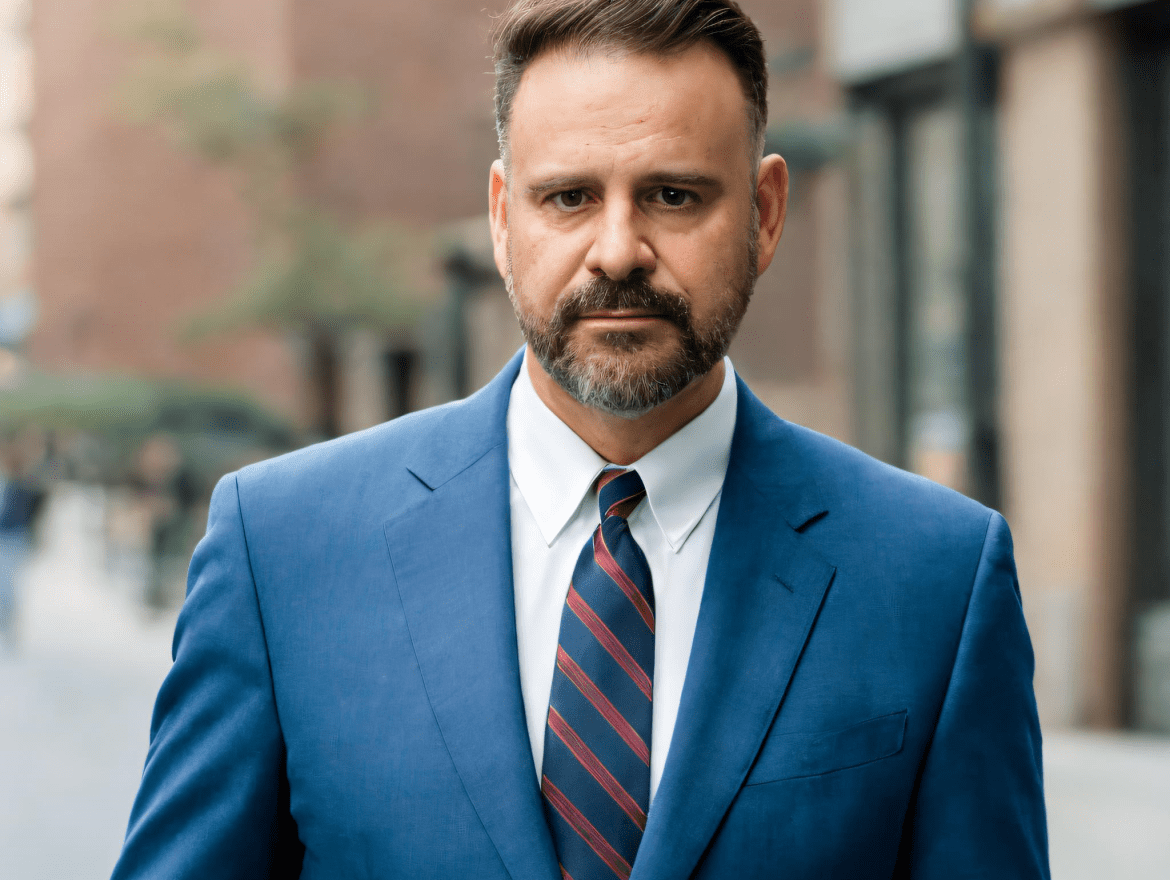
Top-rated criminal law firm in Coral Gables, Miami

Hiring a Criminal Law Firm in Coral Gables, Miami


Choosing Counsel for a Criminal Case

If you’re facing serious criminal charges in Coral Gables or Miami, the firm you choose should be able to explain the charge, process, and available options. Beaton Law Firm has handles criminal matters with attention to the evidence, court process, and client communication across South Florida.

Comprehensive Defense for Felony and Misdemeanor Charges

Our attorneys handle cases involving everything from DUI to federal indictments. We investigate thoroughly, negotiate strategically, and can prepare for motions, negotiations, or trial when appropriate. Whether you’re facing local, state, or federal charges, our firm is ready to protect your rights and your future.

Why Our Clients Trust Beaton Law Firm

Clients appreciate our responsiveness, transparency, and results-driven mindset. We provide legal guidance that’s easy to understand, while reviewing the evidence and discussing available options. From bond hearings to full jury trials, we’re there every step of the way.

Serving Coral Gables, Miami, and South Florida

If you need to hire a criminal law firm in Broward or Miami, contact the firm to discuss the charge and next steps. We represent clients in Coral Gables, Hialeah, Homestead, and beyond. Deadlines and release conditions should be reviewed promptly.

Contact Beaton Law Firm

📞 (305) 478-1991 🌐 [www.beatonlawfirm.com](https://beatonlawfirm.com)

What to Compare When Hiring Counsel

Ask who will handle the case, what experience is relevant to the actual charge, how evidence will be reviewed, how communications work, and what fees or costs apply. The Florida Bar’s guide to hiring a lawyer provides general questions for evaluating a lawyer or law firm.

Documents to Bring

Bring the citation, arrest paperwork, charging document, release conditions, court notices, and any written request from an investigator. If no charge has been filed, explain the contact that occurred and preserve the correspondence. A case review should distinguish confirmed facts from assumptions and identify the next required deadline.

Compare Practical Information, Not Promises

A careful review should focus on the charge, court, evidence, documents to preserve, communication plan, and fee arrangement. A useful consultation should explain the charge, court, deadlines, documents to preserve, communication expectations, and written fee terms. Outcomes depend on evidence, law, and court decisions.

Keep the Consultation Record Clear

Retain the charging papers, court notices, written engagement terms, and a list of questions or materials supplied for review. Clear records make it easier to track responsibilities and deadlines. For this article, the factual review should connect the charge, court, evidence, documents to preserve, communication plan, and fee arrangement to the original material and its date.

Apply the Review to the Actual Record

For this matter, keep the charge, court, evidence, documents to preserve, communication plan, and fee arrangement connected to the complete source material rather than a shortened excerpt or later summary. Note the date and origin of each item, and retain any response or production confirmation with the underlying file.


Criminal defense lawyer for drug trafficking in Miami

Arrested for Drug Trafficking in South Florida? Hire a Criminal Attorney Now


Being charged with drug trafficking in Miami or Broward County is a serious offense with life-changing consequences. Florida law classifies drug trafficking as a first-degree felony, often accompanied by mandatory minimum prison sentences. Whether your charges involve cocaine, marijuana, fentanyl, or prescription opioids, the penalties can be severe—even for first-time offenders.

At Beaton Law Firm, we understand the complexities of trafficking charges. These cases typically hinge on the weight or quantity of the substance, which can escalate simple possession to a trafficking charge. Our experienced attorneys know how to challenge the legality of search warrants, traffic stops, and drug lab results—especially when your rights were violated.

We’ve represented clients accused of trafficking throughout South Florida and work to suppress illegally obtained evidence, reduce charges, or seek complete dismissal. If you need to hire a criminal attorney in Broward or Miami, our team is prepared to take immediate action and aggressively defend your freedom.

Questions Beyond the Drug Weight

A trafficking allegation may require review of the alleged substance, laboratory testing, how the weight was measured, who possessed or controlled it, and whether the state can prove the required knowledge and intent. Search warrants, traffic stops, consent, informants, and the chain of custody can also affect the admissibility and reliability of the evidence.

Florida’s Trafficking Statute

Florida Statute Chapter 893 contains the state’s controlled-substance provisions, including section 893.135 on trafficking. The applicable substance, quantity, charge, and facts must be checked together; a general description cannot determine the outcome of an individual case.

Preserving the Defense Record

Keep the arrest paperwork, warrant or consent documents, photographs, videos, messages, and names of potential witnesses. Do not discuss disputed facts with investigators or post about the case. Counsel can identify time-sensitive motions, review the laboratory and chain-of-custody records, and explain the consequences of available decisions.

Review Identification and Possession Evidence

A careful review should focus on the alleged substance, testing, weight, location, messages, surveillance, and relevant reports. Drug allegations can turn on testing, handling, location, access, and the alleged purpose of possession. Each source should be evaluated in the context of the particular charge.

Preserve Testing and Source Material

Keep reports, laboratory material, handling records, photographs, and the complete associated communications together. Note the source and date of each item rather than relying on a summary. For this article, the factual review should connect the alleged substance, testing, weight, location, messages, surveillance, and relevant reports to the original material and its date.

Apply the Review to the Actual Record

For this matter, keep the alleged substance, testing, weight, location, messages, surveillance, and relevant reports connected to the complete source material rather than a shortened excerpt or later summary. Note the date and origin of each item, and retain any response or production confirmation with the underlying file.
What To Do If You’re Contacted by Federal Investigators in Miami or Broward County


Being approached by federal agents isn’t something you can take lightly. Whether you’re contacted by the FBI, DEA, IRS, or another agency, the person’s status may be witness, subject, or target, and the agent’s request may not answer that question in a criminal investigation. Do not assume you can talk your way out of it. Even if you believe you’ve done nothing wrong, speaking to investigators without legal counsel can create a record that is difficult to correct later.

In Miami and Broward County, federal prosecutions are on the rise—particularly for crimes like healthcare and Medicare fraud, money laundering, and PPP fraud. A simple conversation can quickly escalate into an indictment. Federal agents are trained to extract information and will use anything you say to build their case—even if it’s taken out of context.

At Beaton Law Firm, we intervene early to protect your rights. If you’ve been contacted by federal agents, received a target letter, or have any reason to believe you’re under investigation, preserve the request and review any deadline before responding. We provide immediate guidance, ensure your constitutional rights are protected, and help clarify the request and protect the integrity of the response. A person may ask for counsel before answering questions.

Don’t try to navigate a federal investigation alone. Whether it’s related to federal crimes, white-collar fraud, or suspicious financial activity, early review can help identify the request, evidence, and available options. Let us evaluate your situation and organize a response based on the evidence and applicable procedure before formal charges are even filed.


Clarify the Request Before Responding

Keep the agent’s card, subpoena, target or subject letter, voicemail, and any stated deadline. Ask whether the request is voluntary or compulsory, and do not guess at an answer. A person may request counsel before an interview. Do not delete, alter, or backdate records and do not contact potential witnesses about the investigation.

Identify the Investigative Context

Counsel can review which agency is involved, whether the person is a witness, subject, or target, what statute may apply, and which records should be preserved. The United States Courts criminal-case overview describes the general federal process, but the individual investigation depends on its facts.

Clarify the Nature of Any Request

When contacted by a federal agency, preserve the agent’s card, letter, voicemail, subpoena, or other notice. Record the sender, date, stated purpose, deadline, and whether the request is voluntary or compulsory. Do not delete, backdate, or recreate records. A person may seek counsel before an interview. The request itself and the applicable procedure—not assumptions about an investigation—define what needs to be addressed.

Keep all subsequent notices and any materials produced in a dated file.

Maintain a Narrow, Accurate Record

For each contact, record only what was actually received or said, the date, and any stated deadline. Avoid guessing about the scope of an inquiry or filling gaps with assumptions. A clear record helps distinguish an informal request from a compulsory legal process.

Store that record with the original notice and any later response.

Under Federal Investigation in Miami or Broward County

Being Investigated by Federal Authorities? Take Immediate Action


If you’ve been contacted by a federal agency—such as the FBI, DEA, IRS, or Department of Justice—it means you’re either a target, subject, or witness in a criminal case. Many people assume they can “wait and see,” but that may create unnecessary communication and evidence issues. In Miami, Coral Gables, and throughout Broward County, federal investigations can involve evidence, deadlines, and possible federal charges before you ever step foot in court.

Hiring an experienced federal criminal defense lawyer early can help clarify the request and preserve records. Beaton Law Firm helps clients respond effectively to subpoenas, target letters, search warrants, and agency interviews—often before charges are ever filed.


Preserve the Request and Review the Process

If you’ve received a target letter or were approached by agents, it’s likely you’re under federal surveillance. You may be accused of offenses like PPP loan fraud, money laundering, healthcare fraud, or conspiracy.

In these situations, hiring a lawyer isn’t just helpful—it’s essential. Your attorney can negotiate with federal prosecutors, secure proffer agreements, and protect your constitutional rights during the most sensitive stages of the investigation.


Questions to Address in a Federal Investigation

Beaton Law Firm handles federal investigations and defense matters in Miami and Broward. We understand how federal cases are built—from grand jury investigations to pre-indictment negotiations—and how to evaluate disputed allegations before a charging decision.

Our team has represented business owners, healthcare professionals, executives, and everyday citizens accused of complex white-collar and financial crimes. We bring discretion, experience, and a case-specific review of the evidence and applicable federal procedure.


Identify the Person’s Status and the Request

Keep any subpoena, target or subject letter, agent’s card, voicemail, search paperwork, and stated deadline. Counsel can help determine whether the person is a witness, subject, or target and whether a response is voluntary or compulsory. Do not delete, alter, or backdate records.

Review the Federal Process

The United States Courts criminal-case overview describes the general federal process. An individual investigation depends on its facts, the agency involved, the statute, and the evidence. A response should be organized around the actual request and deadline.

Preserve the Actual Notice

A federal inquiry can begin with a call, letter, subpoena, target letter, search warrant, or request for an interview. Preserve the full original notice and every attachment. Record the agency, sender, date, stated purpose, and deadline, but avoid guessing about what the inquiry means. A request for information and a formal charging document are different procedural events. The document received is the appropriate starting point for identifying the immediate issue.

Keep Records Intact and Organized

Do not delete, alter, backdate, or recreate records after learning of an investigation. Preserve relevant messages, account materials, business files, and electronic data in their original form. Keep a dated log of items collected and the source of each item. The U.S. Courts criminal-case overview explains federal process generally; a specific case depends on its notices, charges, and evidence.

Keep the original notice with any response and proof of delivery.

A man in handcuffs

Arrested in Coral Gables or Miami? Don’t Wait to Hire a Criminal Defense Lawyer


Being arrested or investigated in Coral Gables or greater Miami is a serious matter. Whether you’re facing misdemeanor or felony charges, early records, deadlines, and release conditions should be reviewed carefully. That’s why an early consultation can help identify the charge, evidence, and next deadline.

At Beaton Law Firm, we’ve helped clients throughout South Florida—particularly in Coral Gables and Miami—navigate some of the most complex criminal cases. Early review can help preserve records and clarify available options.


Preserve Evidence and Review the Procedure

Prosecutors begin building their case the moment you’re arrested. If you delay hiring an attorney, valuable opportunities to challenge the arrest, gather evidence, and negotiate may be lost. Whether you’ve been accused of a violent offense, drug crime, or financial fraud, legal representation must begin as early as possible.

For example, in federal criminal cases, early legal intervention can help clarify the investigation before a charging decision. For state-level offenses like drug charges or firearms offenses, the defense may discuss available pretrial procedures and resolutions.


Questions for a Case Review

Beaton Law Firm is not a general practice — we exclusively focus on criminal defense, with experience with local, state, and federal court procedures in Miami-Dade and Broward County. We work fast to evaluate police conduct, examine constitutional issues, review search issues, evidence, and the charging theory. You’ll receive transparent guidance, communication and case review based on the facts from start to finish.

The firm handles cases involving charges, evidence, and pretrial procedure across a wide range of criminal charges. Our team knows the judges, the prosecutors, and the applicable court procedures and legal rights in South Florida’s toughest courtrooms.

What to Preserve After an Arrest

Keep the arrest paperwork, citation, charging document, release conditions, court notices, messages, photographs, and names of witnesses. Do not delete or alter records or contact an alleged victim about the case. Counsel can review the timeline, search procedure, probable-cause statement, and next deadline.

Questions for an Initial Consultation

Ask which court is involved, what charge was filed, what conditions apply, and what evidence should be preserved. A consultation should identify the next required step without promising a particular result.

Keep a Complete Record of the First Days

After an arrest, retain the citation or arrest paperwork, release documents, court notices, and any written conditions. Create a simple timeline that identifies the date, place, people present, and source for each item of information. Preserve relevant messages, photographs, recordings, and possible video in their original form. Do not contact an alleged victim about the case or alter, delete, or recreate material that could be evidence.

Understand What Has and Has Not Been Decided

An arrest or charging allegation is not a finding of guilt. The next steps depend on the charge, available evidence, court calendar, and applicable procedure. A consultation can help clarify the upcoming hearing, release conditions, documents to preserve, and questions to ask about the record. It should provide a realistic explanation of process rather than a promise about a result.

Miami lawyer defending client in federal wire fraud case

Arrested for Wire Fraud in Miami or Broward County? Here’s What to Know


If you’ve been charged with wire fraud in Miami, Coral Gables, or anywhere in Broward County, the charge can carry significant legal and financial consequences. Wire fraud is a serious federal offense that typically involves allegations of using email, phone, or the internet to carry out a fraudulent scheme. Because wire fraud often crosses state lines or involves federal programs, it’s investigated and prosecuted under federal law by the U.S. Department of Justice—and convictions can carry up to 20 years in prison.

What Qualifies as Wire Fraud?

Wire fraud charges can arise in many contexts, from business dealings to PPP loan applications, online transactions, real estate closings, or even healthcare reimbursements. Prosecutors only need to prove that you devised a scheme to defraud and used electronic communication to advance it—even if the scheme wasn’t successful. What many don’t realize is that even innocent mistakes in documentation or communication can result in criminal charges if interpreted as fraudulent intent.

If your case involves allegations tied to federal loan programs like PPP or EIDL, visit our page on PPP Fraud Defense for more information.

Why You Need a Federal Criminal Defense Lawyer Immediately

Time is critical in any federal investigation. If you’ve been contacted by federal agents or received a target letter, Seek legal advice promptly. You need an experienced federal criminal defense attorney who understands the investigative process and can start protecting you immediately. At Beaton Law Firm, we know how to challenge the government’s evidence, suppress illegal searches or wiretaps, and negotiate with prosecutors early—before charges become public or escalate.

Building a Strong Defense Strategy

a wire-fraud defense based on the charged elements and evidence starts with a detailed review of the evidence, including digital communications, financial records, and government subpoenas. In many cases, we’re able to show that our client had no intent to defraud or was misled by others involved in the scheme. In others, we may challenge jurisdiction, improper procedures, or constitutional violations. the response should address the evidence, exposure, and available procedure.

For cases involving business transactions or alleged white-collar crime, see our service page on Securities and White-Collar Crimes.

Elements and Evidence in a Wire-Fraud Case

The analysis should identify the alleged scheme, the specific false statement or omission, the use of interstate electronic communications, and the evidence of knowledge and intent. A mistake, incomplete form, or disputed business transaction is not automatically proof of a scheme. Review emails, messages, account records, contracts, invoices, government requests, and the timeline of the relevant communications.

Preserve subpoenas, target letters, search paperwork, financial records, and electronic files in their original form. Do not delete, alter, or backdate records. The federal wire-fraud statute provides general legal text; the indictment and evidence control the particular case.

Investigators may collect records from several sources, so the defense should compare the government’s timeline with the client’s business records and communications. Preserve the files, note who created them, and avoid editing or deleting material. Counsel can then identify disputed facts, missing context, and issues that may require a motion or focused response.

Hire a Criminal Attorney In Miami or Broward County

Arrested in Broward or Miami? Here’s What to Know About Hiring the Right Criminal Law Firm


Being arrested in South Florida—whether in Miami-Dade or Broward County—can raise immediate questions about the charge, release conditions, and next court date. From the initial arrest to court dates and possible jail time, the legal process is overwhelming. That’s why hiring the right criminal law firm should be your an early step to consider. The stakes are too high to take chances with representation that is not familiar with the charge and local procedure.

At Beaton Law Firm, we represent clients throughout Miami and Broward facing serious charges ranging from DUI and drug possession to white-collar crimes and federal indictments. Our team brings courtroom experience, case-specific review of the evidence and procedure, and a deep understanding of Florida’s criminal justice system to every case we handle.

Why Local Experience Matters

Not all criminal defense firms are created equal. You need a law firm that understands how local judges, prosecutors, and courts operate. Miami and Broward each have unique legal landscapes, and knowing how to navigate them is critical. At Beaton Law Firm, we have years of experience defending clients in both counties and are familiar with diversion programs, local court procedures, and how to evaluate whether the evidence and procedure support a reduction, dismissal, or other resolution.

We begin every case with a full investigation of your arrest, including reviewing body cam footage, witness statements, and whether your constitutional rights were violated. This allows us to find legal flaws that could get charges dropped or evidence thrown out.

Personalized Defense Strategies for Serious Charges

Whether you’re facing drug charges, DUI, or something more serious like federal crimes, a one-size-fits-all defense strategy won’t work. Every case is different—and so is every client. We take the time to learn the full scope of your case and design a defense specifically tailored to your legal needs and goals.

We also understand that this may be your first time dealing with the legal system. That’s why we stay available, responsive, and transparent throughout the process.


What to Review After an Arrest

Start with the charging document, booking or release paperwork, bond conditions, and the next scheduled court event. Note whether the paperwork includes a no-contact condition, travel restriction, or requirement to appear. Those written terms control even if the initial explanation at the jail or station was incomplete.

Preserve the timeline while it is fresh. Keep messages, photographs, video, receipts, location information, and the names of people who may have relevant knowledge. Do not delete or alter records, discuss the facts publicly, or contact an alleged victim about the case. A lawyer can compare the evidence with the elements of the charged offense and explain which issues belong in court.

The Florida Bar’s general guidance on hiring a lawyer suggests asking about experience, communication, fees, and who will handle the matter. Those questions help make an informed choice without assuming a particular result.

Release is only one part of the process. Confirm the court location, case number, reporting requirements, and next appearance, then keep a single file for notices and paperwork. If a condition is unclear, ask counsel or the court for clarification before acting. Missing a date or violating a written condition can create a separate problem from the original allegation.

Healthcare Fraud Lawyer Miami and Broward County

What to Do if You’re Under Investigation for Healthcare Fraud in Miami


If you’ve been contacted by a federal agency or received a target letter related to healthcare fraud, Seek legal advice promptly for charges to be filed. Early legal intervention can often protect your career, your business, and your freedom. Healthcare fraud is one of the most aggressively prosecuted white-collar crimes in Miami and across Florida.

These investigations often involve Medicare or Medicaid billing audits, whistleblower complaints, or undercover operations. You could be accused of false claims, upcoding, unbundling, or kickback violations—even if you weren’t directly involved in the billing process. Once the DOJ or OIG is involved, you need an attorney familiar with both healthcare law and federal criminal procedure.

At Beaton Law Firm, we represent doctors, nurses, practice owners, and healthcare executives. Our goal is to intervene early, reduce exposure, and resolve the matter before it reaches indictment. If charges are filed, we build an aggressive, trial-ready defense strategy to protect your license and reputation.

What to Do After Receiving a Target Letter or Request

Preserve billing records, patient files, compliance policies, employee communications, audit materials, and electronic data in their original form. Do not delete records, alter a chart, or provide an unprepared interview. Counsel can review the request, identify deadlines, and coordinate a response with compliance professionals without sacrificing the legal analysis.

Issues a Defense Review May Examine

The review may address who created or approved a claim, what information was available at the time, whether a coding decision was supported, and how the government obtained the records. A person’s role in a practice does not answer those questions by itself. The DOJ Health Care Fraud Section and HHS-OIG fraud resources explain the agencies’ enforcement roles, but neither source determines the facts of a particular investigation.

Protecting Professional and Business Interests

An investigation may create parallel licensing, employment, payer, or business concerns. A coordinated plan should identify which communications are urgent, which records need preservation, and whether separate counsel or compliance advice is needed. The response should remain accurate and based on the evidence rather than assumptions about what investigators want to hear.

Separate a Records Request From a Criminal Charge

Healthcare matters can involve audits, overpayment questions, document requests, administrative action, civil proceedings, or criminal investigations. Preserve the notice, clinical records, billing data, coding support, communications, and available audit trails in their original form. A collection log should identify where each record came from, the date it was obtained, and whether it was produced. Do not amend historic records after receiving an inquiry; keep any later explanation separate from the contemporaneous file.

Review the Scope of the Request

The Justice Department’s Health Care Fraud Section describes its work generally. An individual matter still depends on its specific notice, statute, and evidence. Confirm the patient, service period, provider, format, and deadline named in the request, and retain a copy of what is submitted with proof of delivery.

Where another entity holds a record, retain the request for the source copy and its response. Note the custodian and the date of every production.

Arrested for Firearms Offenses in South Florida? Here’s What You Need to Know


Facing firearms charges in Miami or Broward County is no small matter. Florida law takes a strict stance on gun crimes—especially those involving unlawful possession, concealed carry without a permit, or firearm use during another offense. If you’ve been arrested for a gun-related offense, your first step should be hiring an experienced criminal defense attorney.

Many firearms offenses carry mandatory minimum prison sentences. For example, possession of a firearm by a convicted felon can lead to a 3-year minimum sentence under Florida’s 10-20-Life law. Other common charges include brandishing a weapon in public, illegal gun sales, or carrying without a concealed weapons license. Each of these charges demands an aggressive and strategic legal defense.

At Beaton Law Firm, we start with a deep review of the arrest, any constitutional violations, and how evidence was obtained. If your rights were violated at any point, we fight to have the evidence thrown out and the case dismissed. We’ve helped many clients in Coral Gables, Miami, and throughout Broward County avoid harsh penalties through smart, early legal action.

Identify the Specific Firearms Charge

“Gun charge” can describe very different allegations, including possession, carrying, transfer, use during another offense, or possession by a person who is legally prohibited from possessing a firearm. The elements, defenses, and sentencing exposure depend on the statute charged and the facts alleged. The Florida statute addressing possession by certain convicted felons is one example; it does not apply to every firearms case.

Search, Possession, and Identification

A defense review may ask who controlled the location, who had access to the firearm, how it was identified, whether it was operable, and how police found it. The circumstances of a stop, consent, warrant, search, or statement may also matter. Do not assume that proximity alone resolves the legal issue.

Preserve Conditions and Evidence

Keep the arrest paperwork, release conditions, property receipts, photographs, messages, and names of witnesses. Do not contact an alleged victim or discuss the case online. Counsel should confirm the next court date, any no-contact or weapons restrictions, and the evidence needed to evaluate the charge.

Identify the Exact Firearms Allegation

A firearms case may concern possession, carrying, transfer, use, a prohibited-person allegation, or an allegation connected to another offense. The statute charged and the specific facts matter. Preserve the arrest paperwork, property receipt, reports, photographs, messages, and names of potential witnesses. A record should identify where the item was found, who had access to that location, how it was described, and whether any video or physical evidence may provide context.

Review the Search and Court Conditions

The circumstances of a stop, consent, warrant, search, or statement can be relevant to a factual and legal review. Keep release conditions and weapons restrictions in a dated file and follow them as written. The Florida statute on possession by certain convicted felons is one example of a firearms provision; it does not apply to every case.

Keep the property receipt and any court-issued restriction with the source records for review. Note the date and issuing agency.

What to Do If You’re Being Investigated for a Crime in Miami or Broward County


What to Do If You’re Being Investigated for a Crime in Miami or Broward County

If you’ve recently learned that you are under criminal investigation in Miami-Dade or Broward County, consider obtaining legal advice before responding to an investigative request. Many people make the mistake of thinking they can “wait it out” or handle things on their own—that can create avoidable evidence and communication issues. By the time law enforcement contacts you, they’ve already gathered evidence. You are not in the early stages; the investigation may already involve evidence and deadlines.

The first thing you need to do is exercise your right to remain silent. Do not agree to “just answer a few questions” without an attorney present. Whether the investigation involves federal charges, drug crimes, white-collar fraud, or domestic violence, statements may be recorded and considered as evidence—even if you think you’re being helpful.

Hiring a criminal defense attorney early allows your legal team to intervene before charges are filed. In some cases, we can speak directly with investigators or prosecutors to clarify facts, correct misunderstandings, and prevent the case from progressing further. In other situations, our early involvement ensures that your rights are protected during questioning, searches, or surveillance.

At Beaton Law Firm, the firm handles investigations in Miami, Fort Lauderdale, and surrounding areas navigate investigations discreetly and strategically. We assess the status of the case, evaluate the evidence, and organize a review based on the evidence and applicable procedure. Whether you’re under state or federal scrutiny, early legal counsel can help identify what is known, what remains uncertain, and what response is available.


Clarify the Investigation

Keep any subpoena, target or subject letter, interview request, search paperwork, voicemail, and stated deadline. Counsel can help determine whether the person is a witness, subject, or target, which agency is involved, and what records should be preserved. Do not delete, alter, or backdate files.

Protect the Record

A person may request counsel before answering questions. Do not guess, speculate, or contact potential witnesses about the investigation. The response should be based on the request, the evidence, and the applicable legal process.

Clarify What Was Actually Requested

An investigation may involve an informal contact, a request for records, a subpoena, a search warrant, or a charging document. Those are different processes. Preserve the original letter, voicemail, business card, subpoena, or other notice and record the sender, date, stated purpose, and deadline. Do not fill gaps with assumptions about the scope of an inquiry. The document itself is the best starting point for identifying what has been requested.

Protect the Integrity of Records

Keep potentially relevant messages, files, account records, and physical documents without deleting, altering, backdating, or recreating them. Where a third party holds records, note the custodian and make a dated request for the source copy when appropriate. A factual timeline can distinguish what happened from what a person later inferred. Counsel can explain the next procedural decision after reviewing the actual request and record.

Retain the full response with proof of delivery.

At Beaton Law Firm, we have the experience, expertise, and dedication to fight for you. With a proven track record of success in some of the nation’s most complex cases, we leave no stone unturned. If you need a criminal defense lawyer in Miami, contact Beaton Law Firm today.

Register For Our Newsletter

Subscribe to our Newsletter right now to be updated. We promice not to spam!

Get In Touch

Call Now