
Realistic photo of the Miami skyline, Biscayne Bay, palm trees, and bridge for a federal defense attorney blog post.

Hiring the Best Federal Attorney in Miami


When you are facing a federal investigation or federal criminal charge, choosing the right attorney is one of the most important decisions you can make. Federal cases are often more complex than state-level criminal matters and may involve agencies such as the FBI, DEA, IRS, Homeland Security, or federal prosecutors who have already spent significant time building a case.

If you are searching for the best federal attorney in Miami, it is important to understand what makes federal defense different and what qualities to look for before choosing legal representation.


Federal Cases Require Serious Legal Experience

Federal criminal cases move through a different court system with different rules, procedures, deadlines, and expectations. These cases can involve extensive investigations, subpoenas, search warrants, financial records, digital evidence, witness interviews, and complex legal issues.

An attorney who handles federal criminal defense may assist with cases involving:

  • Federal drug charges
  • White collar crimes
  • Healthcare fraud
  • Money laundering
  • PPP fraud
  • Wire fraud
  • Tax crimes
  • Federal conspiracy allegations
  • Federal firearms offenses

Because the stakes are high, experience in federal defense matters. The attorney you choose should understand how federal prosecutors build cases and how to develop a strategy that protects your rights from the beginning.


Do Not Wait Until Charges Are Filed

Many federal cases begin long before an arrest or indictment. A person may receive a subpoena, become aware of an investigation, be contacted by agents, or learn that records are being reviewed by federal authorities.

In these situations, early legal representation can be extremely important. A federal defense attorney may be able to:

  • Protect your constitutional rights
  • Communicate with investigators or prosecutors on your behalf
  • Review subpoenas, search warrants, and investigative requests
  • Help you avoid statements or actions that could harm your defense
  • Begin preparing a defense strategy before the case moves further

The sooner an attorney becomes involved, the more opportunities there may be to protect your interests and respond strategically.


Choose an Attorney Who Understands Federal Court

Federal court is not the same as state court. The procedures, sentencing guidelines, discovery process, motions practice, and negotiations can be very different. An attorney handling a federal case should be familiar with the federal system and prepared to address the unique challenges these cases present.

When hiring a federal attorney in Miami, look for someone who understands the importance of preparation, attention to detail, and strategic decision-making at every stage of the case.


Strong Defense Starts With Careful Case Review

Every federal case is different. A strong defense strategy should begin with a careful review of the facts, the evidence, the government’s allegations, and the way the investigation was conducted.

Your attorney should evaluate issues such as:

  • Whether your rights were violated
  • Whether evidence was lawfully obtained
  • Whether the government can prove intent
  • Whether witness statements or records are reliable
  • Whether there are weaknesses in the prosecution’s theory

Federal defense is not about using a one-size-fits-all approach. It requires preparation, investigation, and a legal strategy built around the specific facts of the case.


Local Knowledge in Miami Can Make a Difference

If your case is being handled in Miami or South Florida, it helps to work with an attorney who understands the local legal environment. Federal cases in Miami may involve local court procedures, regional enforcement priorities, and agencies that frequently investigate cases throughout South Florida.

An attorney familiar with Miami federal defense matters can help clients feel more prepared, informed, and protected throughout the process.


Look for Clear Communication

Federal criminal cases can be stressful and confusing. Your attorney should be able to explain the process clearly, answer your questions, and help you understand what may happen next.

When choosing a federal defense attorney, consider whether the attorney:

  • Listens carefully to your concerns
  • Explains legal issues in a way you can understand
  • Provides honest guidance about your options
  • Takes time to review the details of your case
  • Makes you feel confident in the defense strategy

Good communication matters, especially when your future, reputation, and freedom may be at stake.


Schedule a Consultation With a Federal Defense Attorney

Meeting with an attorney allows you to discuss your situation, ask questions, and determine whether the lawyer is the right fit for your needs. If you are under investigation or have already been charged, a consultation can help you better understand your options and the steps you should take next.

Choosing the best federal attorney in Miami means choosing someone who understands the seriousness of federal charges and is prepared to defend your rights with focus, strategy, and dedication.


Beaton Law Firm Represents Clients Throughout Miami and South Florida

If you or someone you care about is facing a federal investigation or federal criminal charge, Beaton Law Firm is committed to protecting the rights of clients throughout Miami and South Florida.

Every case deserves careful preparation, personalized attention, and a strong legal strategy. If you are looking for an experienced federal attorney in Miami, our team is here to answer your questions and help you understand your legal options.

Call Beaton Law Firm today at (305) 478-1991 to schedule a confidential consultation.

Disclaimer

This blog is for general informational purposes only and does not create an attorney-client relationship. Every case is different. Speak with a qualified Florida criminal defense attorney about your specific situation.

Types of Criminal Cases We Handle

Beaton Law Firm handles a wide range of criminal cases, including:

If you have been arrested, charged, or are under investigation in any of these areas, it is critical that you seek legal counsel immediately. The sooner your defense attorney is involved, the more options you may have for protecting your rights and preparing your defense.

Our Professional Profiles

You can learn more about our background and published work here:

Call Beaton Law Firm Today

If you or a loved one needs an experienced federal defense attorney in Miami, Beaton Law Firm is ready to help.
📞 (305) 478-1991
🌐 beatonlawfirm.com
Hiring a criminal defense attorney in Miami during a confidential legal consultation.

Hiring a Criminal Defense Attorney in Miami? What You Should Know Before You Choose


When you’re facing a criminal investigation or have been arrested, one of the most important decisions you’ll make is choosing the right criminal defense attorney. Miami’s legal system moves quickly, and having experienced legal representation from the beginning can make a meaningful difference in protecting your rights and preparing your defense.

If you’re searching for a criminal defense attorney in Miami, here are several important factors to consider before making your decision.


Experience Matters

Not every attorney focuses on criminal defense. You should look for a lawyer who regularly handles criminal cases in Miami-Dade County and understands the local courts, procedures, and legal process.

An attorney with experience handling cases involving:

  • Drug offenses
  • DUI charges
  • Theft crimes
  • Violent crimes
  • White collar offenses
  • Federal criminal cases

can better anticipate potential challenges and develop an effective defense strategy tailored to your situation.


Don’t Wait to Seek Legal Advice

Many people believe they should wait until formal charges are filed before contacting an attorney. In reality, early legal representation can be incredibly valuable.

An experienced criminal defense lawyer may be able to:

  • Protect your constitutional rights
  • Communicate with investigators on your behalf
  • Review the evidence early
  • Help prevent costly mistakes
  • Begin preparing your defense immediately

The sooner an attorney becomes involved, the more opportunities there may be to protect your interests.


Choose Someone Who Communicates Clearly

Legal issues can be stressful and confusing. Your attorney should take the time to explain:

  • What you’re facing
  • The legal process ahead
  • Your available options
  • Potential outcomes
  • What happens next

You should feel comfortable asking questions and confident that your attorney is keeping you informed throughout your case.


Local Knowledge Can Make a Difference

Every jurisdiction has its own procedures and courtroom practices. A criminal defense attorney familiar with Miami courts understands how local cases are handled and can navigate the process efficiently.

That familiarity often helps clients feel more prepared and informed throughout every stage of their case.


Ask About Strategy

Every criminal case is unique. Rather than offering a one-size-fits-all approach, your attorney should evaluate the facts, examine the available evidence, and develop a defense strategy based on the specific circumstances of your case.

Preparation, attention to detail, and thorough investigation are essential components of an effective defense.


Read Client Reviews

Client testimonials can provide valuable insight into an attorney’s professionalism, communication, and commitment to client service.

While every case is different and no outcome can be guaranteed, positive reviews often reflect an attorney’s dedication to helping clients through difficult situations.


Schedule a Consultation

Meeting with an attorney allows you to discuss your situation, ask questions, and determine whether the lawyer is the right fit for your needs.

During your consultation, consider whether the attorney:

  • Listens carefully
  • Explains legal concepts clearly
  • Answers your questions honestly
  • Makes you feel comfortable and respected

Choosing an attorney is an important decision, and you should feel confident in the person representing you.


Beaton Law Firm Represents Clients Throughout Miami and South Florida

If you or someone you care about needs experienced criminal defense representation, Beaton Law Firm is committed to protecting the rights of clients throughout Miami and South Florida.

Every case deserves careful preparation, personalized attention, and a strong legal strategy. If you’re looking for a criminal defense attorney in Miami, our team is here to answer your questions and help you understand your legal options.

Call Beaton Law Firm today at (305) 478-1991 to schedule a confidential consultation.

Disclaimer

This blog is for general informational purposes only and does not create an attorney-client relationship. Every case is different. Speak with a qualified Florida criminal defense attorney about your specific situation.

Types of Criminal Cases We Handle

Beaton Law Firm handles a wide range of criminal cases, including:

If you’ve been arrested or are under investigation in any of these areas, it’s critical that you seek legal counsel immediately. The sooner your defense attorney is involved, the more options you’ll have for avoiding charges or reducing penalties.

Our Professional Profiles

You can learn more about our background and published work here:

Call Beaton Law Firm Today

If you or a loved one needs an experienced criminal defense lawyer in Miami, Beaton Law Firm is ready to help.
📞 (305) 478-1991
🌐 beatonlawfirm.com

Resisting Arrest in Miami: What Does It Really Mean?

Resisting Arrest in Miami: What Does It Really Mean?


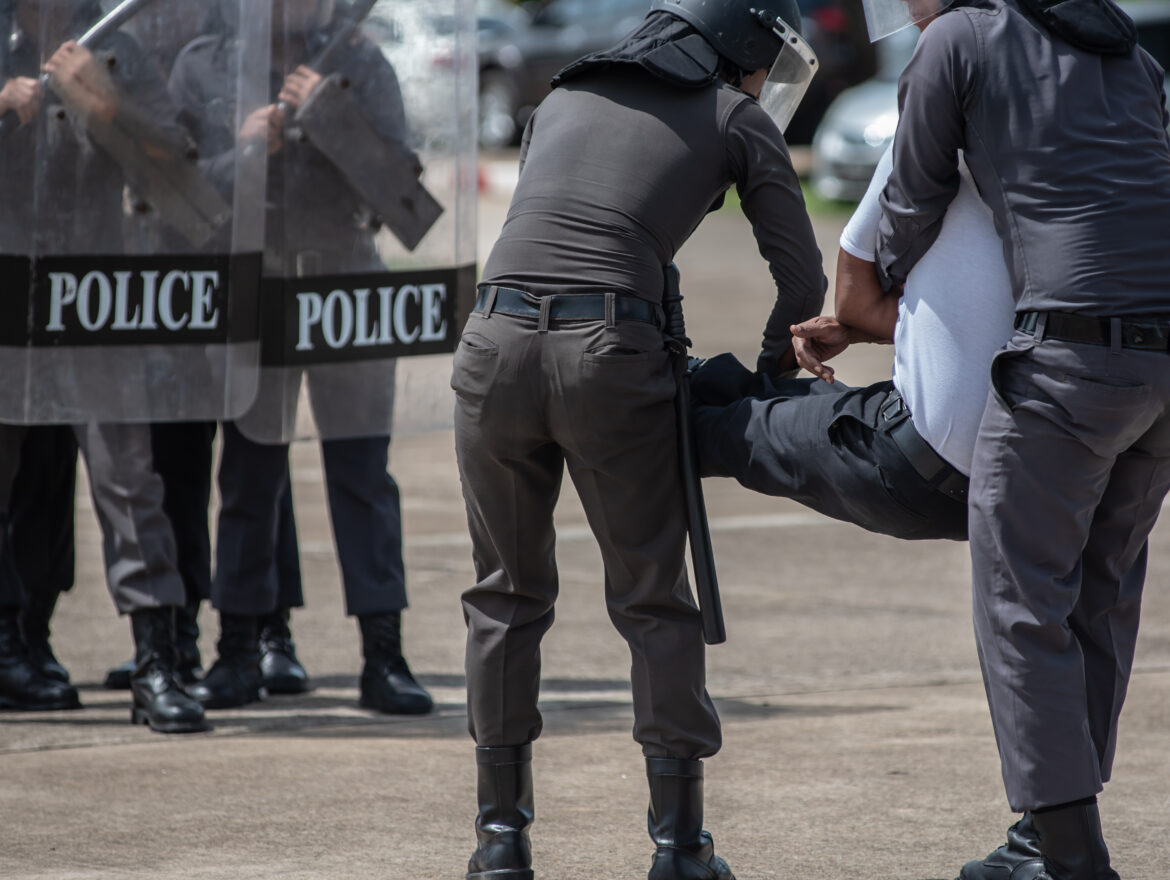
A resisting arrest charge in Miami can happen during a stressful, fast-moving encounter with police. Sometimes the charge is based on physical resistance. Other times, it may involve accusations that someone refused commands, pulled away, ran, delayed an officer, or interfered with an investigation.

Many people are surprised to learn that resisting arrest does not always mean a person violently fought with police. In Florida, resisting an officer can be charged with or without violence, and the difference matters.

If you were arrested for resisting an officer in Miami, it is important to understand what the charge means, what the prosecution must prove, and what defense issues may exist.

What Is Resisting Arrest in Florida?

Florida law includes obstruction-related offenses under Chapter 843. These charges generally involve allegations that a person knowingly and willfully resisted, obstructed, or opposed an officer who was performing a lawful duty.

In everyday language, people often call this “resisting arrest,” but the legal charge may be listed as resisting an officer, obstructing an officer, or opposing an officer.

A resisting charge may be filed by itself or added to another case, such as:

  • DUI
  • Domestic violence
  • Drug possession
  • Disorderly conduct
  • Battery
  • Traffic stops
  • Theft allegations
  • Probation violations
  • Warrants
  • Public disturbance cases

This charge is often added when an officer believes a person did not comply quickly enough or interfered with police activity.

Resisting Without Violence

Resisting an officer without violence is generally the less serious version of the charge, but it can still create serious problems.

Examples may include allegations that someone:

  • Refused to put their hands behind their back
  • Pulled away while being handcuffed
  • Ran from an officer
  • Refused lawful commands
  • Blocked an officer’s path
  • Interfered with an investigation
  • Gave false or misleading information
  • Delayed an officer during a lawful duty

Even without violence, a resisting charge can lead to a criminal record, court dates, probation, fines, and other consequences.

Resisting With Violence

Resisting an officer with violence is more serious. This type of charge may involve allegations that a person used force, threatened violence, struck, pushed, kicked, or physically fought with an officer during the officer’s lawful duties.

Because this charge involves alleged violence, prosecutors may treat it aggressively. It can also affect bond conditions, plea negotiations, sentencing exposure, and the overall strategy of the case.

What Must Prosecutors Prove?

A resisting charge is not automatic just because an officer says someone was difficult or uncooperative. The prosecution must prove the legal elements of the offense.

Important issues may include:

  • Was the officer engaged in a lawful duty?
  • Did the accused know the person was an officer?
  • Did the accused knowingly and willfully resist, obstruct, or oppose the officer?
  • Was there actual violence or only alleged noncompliance?
  • Was the officer’s command lawful?
  • Was the arrest or detention legally justified?
  • Did body camera footage support the officer’s report?

These details can make a major difference in the defense.

Why Body Camera Footage Matters

In resisting arrest cases, video evidence can be extremely important. Police reports may describe an encounter one way, while body camera footage, surveillance video, or cellphone video may show more context.

Video may reveal:

  • Whether commands were clear
  • Whether the accused had time to comply
  • Whether officers escalated the situation
  • Whether force was used by police first
  • Whether the accused actually resisted
  • Whether the report leaves out important details
  • Whether witnesses saw something different

A defense attorney can request and review available evidence to compare the written report with what actually happened.

Common Defenses to Resisting Arrest

Every case is different, but possible defense issues may include:

  • The officer was not performing a lawful duty
  • The accused did not knowingly resist
  • The accused was confused, scared, or unable to comply
  • The officer’s commands were unclear or conflicting
  • The accused did not know the person was an officer
  • The allegation is exaggerated
  • The incident was captured differently on video
  • The accused was acting in self-defense
  • There was no violence
  • The prosecution lacks sufficient evidence

A resisting charge may look simple on paper, but these cases often depend heavily on facts, timing, body language, officer conduct, and video evidence.

Do Not Try to Explain the Case Without a Lawyer

After a resisting arrest charge, many people want to explain that they were scared, confused, or not trying to resist. While that may be true, speaking to police or prosecutors without legal guidance can create problems.

Statements can be misunderstood or used against you. It is usually safer to remain silent and speak with a criminal defense attorney first.

Charged With Resisting Arrest in Miami?

A resisting arrest charge can affect your record, your freedom, and the outcome of any related criminal case. Even if it was added to another charge, it should be taken seriously.

Beaton Law Firm defends clients facing resisting arrest, obstruction, and other criminal charges in Miami and throughout South Florida.

Contact Beaton Law Firm today for a confidential consultation.

Disclaimer

This blog is for general informational purposes only and does not create an attorney-client relationship. Every case is different. Speak with a qualified Florida criminal defense attorney about your specific situation.

Types of Criminal Cases We Handle

Beaton Law Firm handles a wide range of criminal cases, including:

If you’ve been arrested or are under investigation in any of these areas, it’s critical that you seek legal counsel immediately. The sooner your defense attorney is involved, the more options you’ll have for avoiding charges or reducing penalties.

Our Professional Profiles

You can learn more about our background and published work here:

Call Beaton Law Firm Today

If you or a loved one needs an experienced criminal defense lawyer in Miami, Beaton Law Firm is ready to help.
📞 (305) 478-1991
🌐 beatonlawfirm.com
Petit Theft vs. Grand Theft in Florida

Petit Theft vs. Grand Theft in Florida: What’s the Difference?


Petit Theft vs. Grand Theft in Florida: What’s the Difference?

A theft charge in Florida can be more serious than many people expect. What may seem like a minor misunderstanding, a shoplifting accusation, or a property dispute can quickly turn into a criminal case with long-term consequences.

In Florida, theft charges are generally divided into two major categories: petit theft and grand theft. The difference often depends on the value of the property involved, but other facts can also affect how the case is charged.

If you have been accused of theft in Miami or anywhere in South Florida, it is important to understand what you are facing and how a criminal defense attorney may be able to help.

What Is Theft in Florida?

Florida law generally defines theft as knowingly obtaining or using, or attempting to obtain or use, another person’s property with the intent to deprive that person of the property or appropriate it for someone not entitled to it.

This means theft charges may involve more than simply taking an item from a store. Theft allegations can involve property, money, services, business records, checks, credit cards, or other valuable items.

Common theft-related accusations include:

  • Shoplifting
  • Employee theft
  • Taking property from another person
  • Using someone’s credit card without permission
  • Stealing from a business
  • Misappropriating funds
  • Possessing stolen property
  • Failing to return rented property
  • Using deception to obtain property or money

Every theft case depends on the details.

What Is Petit Theft?

Petit theft is generally the less serious category of theft. It is often charged when the value of the property is lower than the threshold required for grand theft.

Petit theft cases may involve allegations such as shoplifting, taking small items, or property disputes involving lower-value property.

Even though petit theft may be charged as a misdemeanor, it should still be taken seriously. A conviction can affect employment, background checks, professional opportunities, immigration status, and future criminal cases.

A theft-related conviction can also create reputation damage because theft is often viewed as a crime involving dishonesty.

What Is Grand Theft?

Grand theft is more serious and is generally charged as a felony. Grand theft usually involves property valued above certain statutory thresholds, but some types of property may lead to felony charges regardless of the exact circumstances.

Grand theft cases may involve allegations such as:

  • Stealing high-value property
  • Taking a vehicle
  • Business theft
  • Organized retail theft
  • Theft from an elderly person
  • Fraud-related theft
  • Large financial losses
  • Theft involving firearms or controlled substances

Felony theft charges can carry serious penalties, including potential prison time, probation, restitution, fines, and a permanent felony record.

Why the Value of the Property Matters

In many theft cases, the value of the property is one of the most important issues. The prosecution may try to prove the property was worth enough to justify a more serious charge.

A defense attorney may question:

  • How the value was calculated
  • Whether the property was actually worth what the prosecution claims
  • Whether receipts or records support the alleged value
  • Whether the property was damaged or used
  • Whether the accused intended to permanently deprive the owner
  • Whether the accused had permission or a good-faith belief of ownership

If the value is disputed, it may affect whether the case is treated as a misdemeanor or felony.

Common Defenses to Theft Charges

The best defense depends on the facts. Common issues in theft cases may include:

  • Lack of intent
  • Mistaken identity
  • False accusation
  • Ownership dispute
  • Permission to use or possess the property
  • Lack of evidence
  • Incorrect property value
  • No intent to steal
  • Misunderstanding or mistake
  • Constitutional issues with the stop, search, or arrest

The prosecution must prove the case beyond a reasonable doubt. An arrest or accusation does not mean a conviction is automatic.

Why You Should Not Ignore a Theft Charge

Some people make the mistake of thinking a theft case is too small to matter. That can be a serious mistake.

A theft charge can follow you into job interviews, licensing applications, background checks, and housing applications. If the case is not handled properly, it can create long-term consequences that are much greater than the value of the property involved.

A criminal defense attorney can review the evidence, negotiate with prosecutors, explore diversion options when available, and fight to protect your record and future.

Charged With Theft in Miami?

If you were arrested or accused of petit theft, grand theft, shoplifting, or another theft-related offense, Beaton Law Firm can help you understand your options.

An accusation is not the same as a conviction. You still have rights, and the facts of your case matter.

Contact Beaton Law Firm today for a confidential consultation.

Disclaimer

This blog is for general informational purposes only and does not create an attorney-client relationship. Every case is different. Speak with a qualified Florida criminal defense attorney about your specific situation.

Types of Criminal Cases We Handle

Beaton Law Firm handles a wide range of criminal cases, including:

If you’ve been arrested or are under investigation in any of these areas, it’s critical that you seek legal counsel immediately. The sooner your defense attorney is involved, the more options you’ll have for avoiding charges or reducing penalties.

Our Professional Profiles

You can learn more about our background and published work here:

Call Beaton Law Firm Today

If you or a loved one needs an experienced criminal defense lawyer in Miami, Beaton Law Firm is ready to help.
📞 (305) 478-1991
🌐 beatonlawfirm.com
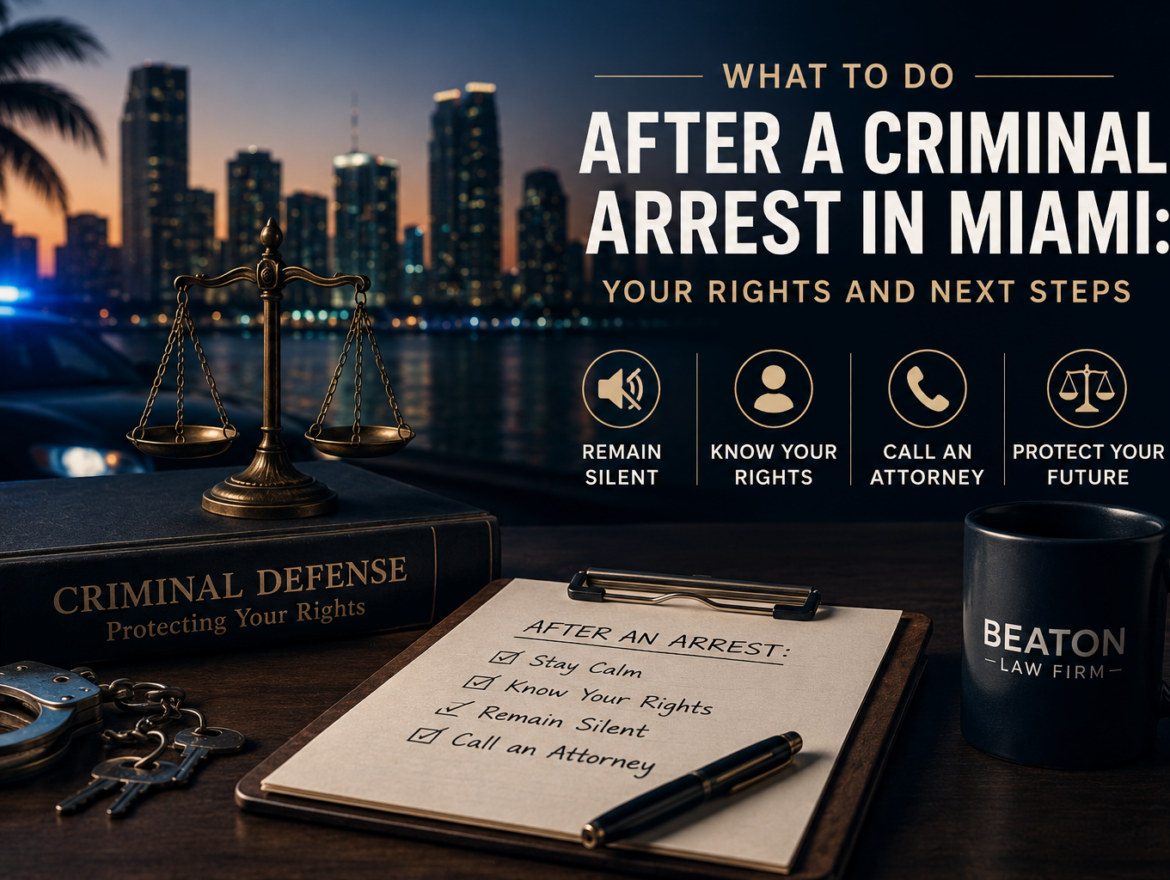
Beaton Law Firm criminal record sealing attorney helping clients seal or expunge a criminal record in Florida

Can I Get a Criminal Record Sealed in Florida?


Can I Get a Criminal Record Sealed in Florida?

A criminal record can follow you long after a case is over. Even if your case was dismissed, dropped, or resolved without jail time, the record may still appear in background checks and create problems with employment, housing, professional licensing, school applications, and your reputation.

For many people, sealing or expunging a criminal record can be a powerful step toward a cleaner future. But not every case qualifies, and the process is more detailed than simply asking for the record to disappear.

If you have a criminal record in Florida, here is what you should know.

What Is the Difference Between Sealing and Expungement?

Sealing and expungement are related, but they are not the same.

When a record is sealed, the general public usually cannot access it. However, certain government agencies and authorized parties may still be able to view it in specific situations.

When a record is expunged, it is generally more restricted. Many agencies must physically destroy or remove the record from public access, although certain limited records may still be retained by FDLE for official purposes.

In simple terms, sealing limits public access. Expungement usually provides a stronger level of record protection.

Why Would Someone Want to Seal or Expunge a Record?

A criminal record can create real-life consequences, even when the case did not result in a conviction.

A record may affect:

  • Job applications
  • Background checks
  • Apartment applications
  • Professional licenses
  • College or graduate school applications
  • Immigration concerns
  • Business opportunities
  • Reputation and peace of mind

Many people are surprised to learn that an arrest alone can remain visible unless steps are taken to seal or expunge the record.

Who May Qualify to Seal a Criminal Record in Florida?

Eligibility depends on the facts of the case and the person’s overall criminal history. In general, sealing may be available for certain cases where the person was not adjudicated guilty and the charge is not legally disqualified.

However, Florida law has many exceptions. Some offenses may not qualify even if adjudication was withheld. Prior criminal history can also affect eligibility.

Before filing a petition with the court, a person usually must apply to FDLE for a Certificate of Eligibility. This certificate does not guarantee the court will grant the petition, but it is usually required before moving forward.

Who May Qualify for Expungement?

Expungement may be available in certain cases where the charge was dismissed, dropped, or not formally filed. It may also apply in other limited circumstances depending on the type of case and the person’s record.

Florida law generally requires a person seeking expungement to first apply for a Certificate of Eligibility before petitioning the court.

The court still has discretion, which means eligibility does not automatically guarantee approval.

Why Was There Still a Record If My Case Was Dropped?

This is one of the most common questions people ask.

In Florida, an arrest can create a criminal history record even if the case was later dismissed or the State Attorney’s Office decided not to prosecute. That record may still exist unless it is sealed, expunged, or otherwise restricted under Florida law.

That means a person can have no conviction and still deal with the consequences of a visible arrest record.

Common Reasons a Petition May Be Denied

A sealing or expungement request may run into problems if:

  • The person has a prior disqualifying criminal history
  • The offense is not eligible
  • The person was adjudicated guilty
  • The paperwork is incomplete
  • The FDLE certificate was not obtained
  • The petition was filed incorrectly
  • The prosecutor objects
  • The court decides not to grant the request

Because the process is technical, mistakes can delay the case or result in denial.

How a Criminal Defense Attorney Can Help

A criminal defense attorney can review your record, determine whether you may qualify, help prepare the required documents, communicate with the proper agencies, and file the petition with the court.

An attorney can also help explain the difference between sealing and expungement and identify whether there are any issues that could prevent approval.

For many people, this process is about more than paperwork. It is about moving forward without one mistake or accusation continuing to affect their life.

Want to Clear Your Criminal Record in Florida?

If you have a criminal record in Florida, you may have options. Sealing or expungement can help protect your privacy and reduce the impact of an old arrest or criminal case.

Beaton Law Firm helps clients understand their rights and explore options for clearing or limiting access to their criminal record.

Contact Beaton Law Firm today for a confidential consultation.

Disclaimer

This blog is for general informational purposes only and does not create an attorney-client relationship. Every case is different. Speak with a qualified Florida criminal defense attorney about your specific situation.

Types of Criminal Cases We Handle

Beaton Law Firm handles a wide range of criminal cases, including:

If you’ve been arrested or are under investigation in any of these areas, it’s critical that you seek legal counsel immediately. The sooner your defense attorney is involved, the more options you’ll have for avoiding charges or reducing penalties.

Our Professional Profiles

You can learn more about our background and published work here:

Call Beaton Law Firm Today

If you or a loved one needs an experienced criminal defense lawyer in Miami, Beaton Law Firm is ready to help.
📞 (305) 478-1991
🌐 beatonlawfirm.com

Miami criminal defense attorney helping a client after an arrest

What to Do After a Criminal Arrest in Miami: Your Rights and Next Steps


Being arrested can be one of the most stressful and confusing experiences in a person’s life. Whether the charge is a misdemeanor or a felony, what you do immediately after an arrest can have a major impact on your case, your freedom, and your future.

If you or a loved one has been arrested in Miami, it is important to stay calm, understand your rights, and avoid making mistakes that could hurt your defense.

Remain Calm and Exercise Your Right to Remain Silent

After an arrest, many people feel the need to explain themselves. They may believe that if they tell their side of the story, the situation will be cleared up quickly.

Unfortunately, statements made to law enforcement can be used against you later. Even innocent explanations can be misunderstood, taken out of context, or used to support the prosecution’s case.

You have the right to remain silent. You are not required to answer questions about the allegations. You can politely say that you wish to remain silent and want to speak with an attorney.

Do Not Resist or Argue With Police

Even if you believe the arrest is unfair, arguing with police or physically resisting can make the situation worse. Resisting arrest or obstructing an officer can lead to additional charges.

The safest approach is to remain calm, avoid confrontation, and address the legal issues later with your defense attorney.

Do Not Discuss the Case on the Phone or Online

After an arrest, avoid talking about the case over recorded jail calls, text messages, social media, or messaging apps. Conversations may be monitored, saved, or used as evidence.

You should also avoid posting about the arrest online. Even vague posts can create problems for your defense.

Understand the Charges Against You

Criminal charges in Miami can range from misdemeanors to serious felonies. Common charges include:

  • Domestic violence
  • Battery
  • Drug possession
  • Drug trafficking
  • DUI
  • Theft
  • Fraud
  • Resisting arrest
  • Probation violations
  • Weapons charges

Each charge has different penalties, defenses, and long-term consequences. The sooner you understand what you are facing, the sooner you can begin building a defense.

Protect Your Bond and Release Conditions

After an arrest, the court may set bond or impose release conditions. These conditions can include no-contact orders, travel restrictions, drug testing, GPS monitoring, or other requirements.

Violating release conditions can result in being taken back into custody. If you do not understand a condition, speak with your attorney before taking any action.

Preserve Important Evidence

Evidence can disappear quickly. If there are text messages, videos, photos, call logs, receipts, GPS records, witness names, or surveillance footage that may help your case, preserve them.

Do not alter or delete anything. Instead, save the information and provide it to your attorney.

Contact a Miami Criminal Defense Attorney as Soon as Possible

Early legal representation can make a significant difference. A criminal defense attorney can review the facts, explain your options, protect your rights, communicate with prosecutors, and begin building your defense.

In some cases, early action may help with bond issues, evidence preservation, witness interviews, negotiations, or motions challenging the prosecution’s case.

Arrested in Miami? Do Not Face the System Alone

An arrest is not a conviction. You still have rights, and the prosecution still has the burden of proving the case.

If you or a loved one has been arrested in Miami, Beaton Law Firm can help you understand the charges, protect your rights, and fight for the best possible outcome.

Contact Beaton Law Firm today for a confidential consultation.

Disclaimer

This blog is for general informational purposes only and does not create an attorney-client relationship. Every case is different. Speak with a qualified Florida criminal defense attorney about your specific situation.

Types of Criminal Cases We Handle

Beaton Law Firm handles a wide range of criminal cases, including:

If you’ve been arrested or are under investigation in any of these areas, it’s critical that you seek legal counsel immediately. The sooner your defense attorney is involved, the more options you’ll have for avoiding charges or reducing penalties.

Our Professional Profiles

You can learn more about our background and published work here:

Call Beaton Law Firm Today

If you or a loved one needs an experienced criminal defense lawyer in Miami, Beaton Law Firm is ready to help.
📞 (305) 478-1991
🌐 beatonlawfirm.com

Miami DUI Manslaughter Defense Attorney for Serious Felony Charges

Arrested for DUI in Miami? What You Need to Know


Arrested for DUI in Miami? What You Need to Know

A DUI arrest in Miami can happen quickly. A traffic stop, a roadside investigation, a breath test request, or a night out can turn into a criminal charge that affects your driver’s license, record, job, insurance, and future.

Many people charged with DUI have never been arrested before. They may feel embarrassed, confused, and unsure of what to do next. The most important thing to remember is that a DUI arrest is not a conviction.

The prosecution still has to prove the case, and there may be defenses available.

What Is DUI in Florida?

In Florida, DUI generally means driving or being in actual physical control of a vehicle while under the influence of alcohol, a chemical substance, or a controlled substance to the extent that normal faculties are impaired. DUI may also involve an unlawful blood-alcohol or breath-alcohol level.

That means prosecutors may try to prove a DUI case using different types of evidence, including:

  • Driving pattern
  • Officer observations
  • Field sobriety exercises
  • Breath test results
  • Blood or urine testing
  • Body camera footage
  • Statements made during the stop
  • Witness testimony
  • Evidence of impairment

Each part of the case should be carefully reviewed.

What Happens After a DUI Arrest?

After a DUI arrest, there may be two separate issues: the criminal case and the driver’s license consequences.

The criminal case takes place in court and may involve penalties such as fines, probation, DUI school, community service, vehicle immobilization, ignition interlock requirements, or jail in certain cases.

The driver’s license side may involve administrative deadlines and possible suspension issues. Missing deadlines can limit your options, so it is important to speak with an attorney quickly after an arrest.

Common DUI Defense Issues

DUI cases often depend on technical evidence and police procedure. A defense attorney may review questions such as:

  • Was the traffic stop legal?
  • Did the officer have reasonable suspicion?
  • Was there probable cause for the arrest?
  • Were field sobriety exercises properly explained?
  • Were medical issues mistaken for impairment?
  • Was the breath test machine properly maintained?
  • Were testing procedures followed?
  • Was the driver actually in control of the vehicle?
  • Did the officer’s report match the video evidence?
  • Were constitutional rights violated?

Sometimes the evidence is weaker than it first appears.

Field Sobriety Exercises Are Not Perfect

Field sobriety exercises are often used in DUI investigations, but they are not perfect. Many factors can affect performance, including:

  • Stress
  • Fatigue
  • Anxiety
  • Medical conditions
  • Poor footwear
  • Uneven pavement
  • Weather
  • Language barriers
  • Age or balance issues
  • Confusing instructions

A person may appear impaired for reasons unrelated to alcohol or drugs.

Breath Test Results Can Be Challenged

Many DUI cases involve breath test results, but breath testing is not beyond challenge. A defense attorney may review whether the machine was working properly, whether procedures were followed, whether the observation period was handled correctly, and whether anything may have affected the result.

Even when the prosecution has a breath test, the defense may still have important issues to raise.

Do Not Plead Guilty Without Understanding Your Options

Some people want to plead guilty quickly just to move on. That may seem easier in the moment, but a DUI conviction can have long-term consequences.

A DUI can affect:

  • Your driver’s license
  • Car insurance rates
  • Employment
  • Professional licensing
  • Immigration status
  • Future background checks
  • Your ability to drive for work

Before making any decision, it is important to understand the strength of the evidence and the possible defense options.

Arrested for DUI in Miami?

If you were arrested for DUI in Miami, Beaton Law Firm can review the facts, evaluate the evidence, and help you understand your rights.

The earlier you speak with an attorney, the better positioned you may be to protect your license, record, and future.

Contact Beaton Law Firm today for a confidential consultation.

Disclaimer

This blog is for general informational purposes only and does not create an attorney-client relationship. Every case is different. Speak with a qualified Florida criminal defense attorney about your specific situation.

Types of Criminal Cases We Handle

Beaton Law Firm handles a wide range of criminal cases, including:

If you’ve been arrested or are under investigation in any of these areas, it’s critical that you seek legal counsel immediately. The sooner your defense attorney is involved, the more options you’ll have for avoiding charges or reducing penalties.

Our Professional Profiles

You can learn more about our background and published work here:

Call Beaton Law Firm Today

If you or a loved one needs an experienced criminal defense lawyer in Miami, Beaton Law Firm is ready to help.
📞 (305) 478-1991
🌐 beatonlawfirm.com

Charged With Fraud? White Collar Criminal Defense Guide

Charged With Fraud? Understanding White Collar Criminal Defense


Charged With Fraud? Understanding White Collar Criminal Defense

Fraud charges can be intimidating because they often involve complex financial records, business transactions, insurance claims, healthcare billing, bank documents, tax records, contracts, or electronic communications. Unlike some criminal cases that begin with an immediate arrest, fraud investigations may develop over weeks, months, or even years.

If you are being investigated or have already been charged with fraud, it is important to act quickly. The earlier a defense attorney becomes involved, the more opportunity there may be to protect your rights, review the evidence, and challenge the government’s theory of the case.

What Is a Fraud Charge?

Fraud generally involves an allegation that someone used deception, false statements, misrepresentations, or concealment to obtain money, property, services, benefits, or some other advantage.

Common fraud-related cases may include:

  • Insurance fraud
  • Healthcare fraud
  • Credit card fraud
  • Bank fraud
  • Wire fraud
  • Mail fraud
  • Mortgage fraud
  • Tax-related fraud
  • Identity theft
  • Business or investment fraud
  • Government benefit fraud

Each case depends on the specific facts, documents, communications, and intent involved.

Intent Is Often a Key Issue

One of the most important questions in many fraud cases is whether the accused acted with criminal intent. Mistakes, poor recordkeeping, billing errors, business disputes, misunderstandings, or negligence are not always the same as fraud.

The prosecution may try to prove intent through emails, text messages, financial records, witness statements, claim forms, invoices, contracts, or patterns of conduct.

A defense attorney may challenge whether the evidence truly proves intentional wrongdoing.

Fraud Investigations Often Begin Before Charges Are Filed

Many people do not realize they are under investigation until they receive a subpoena, target letter, phone call from an investigator, audit notice, or request for an interview.

If you are contacted by law enforcement, investigators, regulators, or government agents, do not assume that explaining yourself will make the situation go away. Anything you say may become part of the case.

Before speaking with investigators, contact a criminal defense attorney.

Documents Matter in Fraud Cases

Fraud cases are often document-heavy. The government may review:

  • Bank records
  • Insurance claims
  • Medical billing records
  • Business invoices
  • Contracts
  • Emails and text messages
  • Tax documents
  • Payroll records
  • Corporate filings
  • Internal company communications
  • Digital records and metadata

A strong defense requires a careful review of the documents, not just the accusation.

Not Every Billing Error Is Fraud

In healthcare fraud, insurance fraud, and business fraud cases, the government may claim that inaccurate billing, false claims, or improper documentation show criminal intent. But the defense may argue that the issue was a mistake, a compliance problem, a misunderstanding of rules, or an administrative error.

The difference between a civil dispute and a criminal case can be extremely important.

Possible Defense Strategies

A defense strategy depends on the facts, but common issues may include:

Lack of Intent

The defense may argue that the accused did not knowingly or intentionally commit fraud.

Insufficient Evidence

The prosecution must prove the case beyond a reasonable doubt. Suspicion is not enough.

Good Faith

If the accused acted in good faith, relied on professionals, followed company procedures, or believed the information was accurate, that may be relevant to the defense.

Mistake or Miscommunication

Complex financial or business matters can involve errors that are not criminal.

Challenging Witness Credibility

Fraud cases may rely on employees, business partners, alleged victims, or cooperating witnesses. Their motives and reliability may be questioned.

Constitutional Issues

If evidence was obtained through improper searches, seizures, or interviews, your attorney may challenge it.

Why You Should Not Wait to Hire a Lawyer

If you believe you are being investigated, waiting can be a mistake. A defense attorney may be able to communicate with investigators, protect you from making harmful statements, preserve important evidence, review documents, and begin preparing a response before charges are filed.

In some cases, early intervention may help shape the direction of the case.

Final Thoughts

Fraud allegations are serious, but they are also complex. The government must prove more than a mistake, disagreement, or bad business outcome. A strong defense starts with understanding the evidence, the intent issue, and the weaknesses in the prosecution’s case.

Call to Action

If you are facing a fraud investigation or criminal fraud charge, contact our criminal defense law firm today. We can review your situation, protect your rights, and help you build a strategic defense.

Types of Criminal Cases We Handle

Beaton Law Firm handles a wide range of criminal cases, including:

If you’ve been arrested or are under investigation in any of these areas, it’s critical that you seek legal counsel immediately. The sooner your defense attorney is involved, the more options you’ll have for avoiding charges or reducing penalties.

Our Professional Profiles

You can learn more about our background and published work here:

Call Beaton Law Firm Today

If you or a loved one needs an experienced criminal defense lawyer in Miami, Beaton Law Firm is ready to help.
📞 (305) 478-1991
🌐 beatonlawfirm.com

Criminal defense lawyer reviewing evidence in a drug crime case

Drug Crime Charges: What Prosecutors Must Prove and How a Defense Lawyer Can Help


Drug Crime Charges: What Prosecutors Must Prove and How a Defense Lawyer Can Help

Drug crime allegations can carry serious penalties, especially when the case involves possession with intent to sell, trafficking, controlled substances, prescription medications, or large quantities of drugs. A conviction can affect your freedom, employment, immigration status, professional licensing, and future opportunities.

But being charged with a drug crime does not mean the prosecution can automatically prove its case. Drug cases often involve searches, traffic stops, informants, surveillance, lab testing, and constitutional issues that must be carefully reviewed.

Common Types of Drug Charges

Drug charges can range from simple possession to serious felony offenses. Common cases may involve allegations of:

  • Drug possession
  • Possession with intent to sell
  • Drug trafficking
  • Prescription drug offenses
  • Possession of drug paraphernalia
  • Manufacturing or cultivation
  • Conspiracy-related drug charges
  • Distribution or delivery of controlled substances

The severity of the case often depends on the type of substance, the amount, the circumstances of the arrest, and whether there are prior criminal records or aggravating factors.

The State Must Prove the Case

In a criminal case, the burden is on the prosecution. The State must prove each element of the charge beyond a reasonable doubt.

In many drug cases, prosecutors may need to prove:

  • The substance was illegal or controlled
  • The accused knowingly possessed it
  • The accused had control over the substance
  • The amount supports the charge
  • The evidence was lawfully obtained
  • The lab results confirm the substance
  • The chain of custody was properly maintained

If the State cannot prove these issues, the defense may have strong arguments.

Possession Is Not Always Simple

Possession can be more complicated than people think. Just because drugs are found near someone does not always mean that person legally possessed them.

For example, drugs found in a shared car, shared apartment, hotel room, or common area may raise questions about who actually knew about the substance and who had control over it.

A defense attorney may challenge whether the accused truly had knowledge, possession, or control.

Illegal Searches Can Change the Case

Many drug arrests begin with a traffic stop, pat-down, vehicle search, home search, or search warrant. Police must follow constitutional rules when stopping, detaining, searching, and arresting someone.

A defense lawyer may ask:

  • Was the traffic stop legal?
  • Did police have reasonable suspicion?
  • Was there probable cause?
  • Did the person consent to the search?
  • Was the consent voluntary?
  • Was the search warrant valid?
  • Did police exceed the scope of the search?
  • Were rights violated?

If evidence was obtained illegally, your attorney may be able to file a motion to suppress. If key evidence is suppressed, the prosecution’s case may become much weaker.

Lab Testing and Chain of Custody Matter

In drug cases, the government often relies on lab testing to prove the substance is illegal. However, the defense may review whether the substance was properly collected, stored, tested, and documented.

Chain of custody issues may arise when evidence changes hands between officers, labs, storage facilities, or prosecutors. Any break in the chain can raise questions about reliability.

Intent to Sell vs. Personal Use

Possession with intent to sell is more serious than simple possession. Prosecutors may try to prove intent based on packaging, scales, cash, text messages, alleged statements, or the quantity of drugs.

But those facts do not always tell the full story. A defense attorney can challenge weak assumptions and argue that the evidence does not prove intent beyond a reasonable doubt.

Drug Trafficking Charges Are Especially Serious

Drug trafficking charges often depend on the weight or amount of the substance involved. These cases can carry severe penalties and require immediate legal attention.

A defense lawyer may examine whether the weight was accurately calculated, whether the accused had knowledge of the drugs, whether the search was legal, and whether the State can prove every required element.

Do Not Speak to Police Without a Lawyer

People accused of drug crimes often feel pressured to explain themselves. But statements can be misunderstood, taken out of context, or used against them later.

The safest approach is to remain silent and ask for an attorney.

Final Thoughts

Drug charges can be serious, but they are also highly defensible in many cases. Search issues, possession issues, lab testing problems, weak evidence, and constitutional violations may all play a role in your defense.

Call to Action

If you or someone you love is facing a drug possession, intent to sell, or trafficking charge, contact our criminal defense law firm today. We can evaluate the evidence, protect your rights, and begin building your defense.

Types of Criminal Cases We Handle

Beaton Law Firm handles a wide range of criminal cases, including:

If you’ve been arrested or are under investigation in any of these areas, it’s critical that you seek legal counsel immediately. The sooner your defense attorney is involved, the more options you’ll have for avoiding charges or reducing penalties.

Our Professional Profiles

You can learn more about our background and published work here:

Call Beaton Law Firm Today

If you or a loved one needs an experienced criminal defense lawyer in Miami, Beaton Law Firm is ready to help.
📞 (305) 478-1991
🌐 beatonlawfirm.com

What to Do After Being Arrested | Criminal Defense Lawyer

What to Do Immediately After Being Arrested: A Criminal Defense Lawyer’s Guide


Being arrested is one of the most stressful experiences a person can go through. Whether the charge is a misdemeanor, felony, DUI, domestic violence, drug offense, fraud allegation, or another criminal matter, the first few hours and days after an arrest can have a major impact on the outcome of your case.

Many people panic, say too much, or make decisions without understanding the consequences. The most important thing to remember is simple: an arrest is not a conviction. You still have rights, and what you do next matters.

Stay Calm and Do Not Argue With Police

The moment you realize you are being detained or arrested, your goal should be to avoid making the situation worse. Arguing, resisting, running, or becoming aggressive can lead to additional charges.

Even if you believe the arrest is unfair, the street is not the place to fight your case. That fight belongs in court, with evidence, legal strategy, and a defense attorney protecting your rights.

Use Your Right to Remain Silent

One of the biggest mistakes people make after an arrest is trying to “explain everything” to police. Many people believe they can talk their way out of the situation. Unfortunately, statements made during or after an arrest can often be used by prosecutors later.

You do not have to answer investigative questions. You can calmly say:

“I am invoking my right to remain silent. I want to speak with an attorney.”

After that, stop talking about the case.

Do Not Discuss the Case on Jail Calls

Many people do not realize that jail phone calls are often recorded. Conversations with friends, family, spouses, or co-defendants may be reviewed by law enforcement or prosecutors.

Avoid discussing what happened, who was involved, where you were, what evidence exists, or what you plan to do. Even casual comments can be taken out of context and used against you.

Contact a Criminal Defense Attorney Quickly

The earlier a defense lawyer gets involved, the better. An attorney may be able to help with bond issues, evidence preservation, witness contact, court dates, and early negotiations with the prosecution.

A criminal defense lawyer can begin reviewing key questions such as:

  • Was the stop or arrest legal?
  • Were your rights violated?
  • Was there probable cause?
  • Did police conduct an illegal search?
  • Are witnesses reliable?
  • Is the evidence strong enough to support the charge?

Early action can make a major difference.

Avoid Posting About the Arrest Online

Social media can damage a criminal case. Posts, comments, photos, videos, messages, and location tags may become evidence. Even deleting posts can sometimes raise additional concerns.

Do not post about the arrest, the alleged victim, police officers, witnesses, or the charges. Ask friends and family not to post about the case either.

Start Gathering Important Information

While you should not investigate the case yourself in a way that could create risk, you should write down important details while they are fresh in your mind. This may include:

  • Where you were before the arrest
  • Who was with you
  • Names of possible witnesses
  • Whether there were cameras nearby
  • What officers said or did
  • Whether you were searched
  • Whether you were questioned
  • Whether you asked for an attorney

Share this information only with your lawyer.

Do Not Contact the Alleged Victim or Witnesses

In many cases, especially domestic violence, battery, stalking, or harassment allegations, contacting the alleged victim can create serious legal problems. There may be a no-contact order in place, even if the other person wants to talk.

Violating a court order can result in new charges, bond revocation, or jail time. Speak with your attorney before contacting anyone connected to the case.

Take Every Court Date Seriously

Missing court can lead to a warrant for your arrest. Even if you believe the case is minor, every hearing matters. Your attorney can help you understand what to expect, what to bring, and how to prepare.

Final Thoughts

An arrest can feel overwhelming, but it does not define your future. The most important steps are to stay silent, avoid discussing the case, protect your rights, and speak with a criminal defense attorney as soon as possible.

Call to Action

If you or a loved one has been arrested or charged with a crime, contact our criminal defense team today. We can review the charges, explain your options, and begin building a defense strategy immediately.

Types of Criminal Cases We Handle

Beaton Law Firm handles a wide range of criminal cases, including:

If you’ve been arrested or are under investigation in any of these areas, it’s critical that you seek legal counsel immediately. The sooner your defense attorney is involved, the more options you’ll have for avoiding charges or reducing penalties.

Our Professional Profiles

You can learn more about our background and published work here:

Call Beaton Law Firm Today

If you or a loved one needs an experienced criminal defense lawyer in Miami, Beaton Law Firm is ready to help.
📞 (305) 478-1991
🌐 beatonlawfirm.com

At Beaton Law Firm, we have the experience, expertise, and dedication to fight for you. With a proven track record of success in some of the nation’s most complex cases, we leave no stone unturned. If you need a criminal defense lawyer in Miami, contact Beaton Law Firm today.

Register For Our Newsletter

Subscribe to our Newsletter right now to be updated. We promice not to spam!

Get In Touch

Call Now