Federal Attorney Broward County | Beaton Law Firm

Hiring a Federal Attorney in Broward County


Federal charges carry substantial consequences that depend on the statute, evidence, and sentencing rules. If you’ve been contacted by a federal agency, received a target letter, or been indicted in Broward County, consider obtaining advice before responding to an agency or court request. At Beaton Law Firm, we review the evidence, procedure, and applicable federal rules for individuals facing federal investigations and charges.

Why Federal Cases Are Different

Federal charges are prosecuted by U.S. Attorneys who have investigative and prosecutorial resources and the backing of federal agencies like the FBI, DEA, or IRS. These cases often involve lengthy investigations before charges are even filed. Without a clear review of the charge and evidence, defendants can face decades in prison and devastating financial penalties.

Types of Federal Cases We Defend

Beaton Law Firm handles a wide range of federal matters, including:

If you need to hire a federal attorney in Broward County, review any deadline and preserve the investigation record. Federal prosecutors begin building their case long before charges are filed. You need a defense team that understands the federal court system inside and out.

Protecting Your Future in Broward County

Our team has the experience to challenge federal investigations, negotiate with prosecutors, and fight for your rights in court. We know the high stakes of federal charges and are available to explain the process and next steps.

What a Federal Case Review Includes

Federal investigations may involve target or subject letters, subpoenas, search warrants, agency interviews, financial records, and electronic communications. Counsel should identify the agency, the statute, the person’s status in the investigation, and any response deadline. The United States Courts criminal-case overview describes the general process, while the actual case depends on the charging document and evidence.

Preserve the Investigation Record

Keep every notice, request, account record, message, and search-related document. Do not delete, alter, or backdate files. Counsel can evaluate what information may be provided and which records should be preserved before a response is made.

Understand the Federal Filing Before Responding

A federal matter may begin with a subpoena, search warrant, letter, request for an interview, complaint, indictment, or summons. Preserve the complete original notice, including attachments, and record its sender, date, and stated deadline. Do not assume that an informal request and a formal charge have the same meaning. The document received, relevant court rules, and applicable law provide the starting point for understanding the immediate procedural issue.

Preserve the Underlying Record

Keep account materials, business files, messages, devices, and physical documents in their original form. Do not delete, alter, recreate, or backdate records after learning of an inquiry. A dated collection log can identify what was located, where it came from, and whether another person or business holds a source copy. This supports an accurate factual review instead of a rushed explanation based on incomplete information.

Store any response with proof of delivery and the original request.

Record the stated deadline beside the notice.

Criminal Defense Attorney Miami Florida

Arrested for Money Transmitting in Miami or Broward County? Here’s What You Should Know


Facing charges for running an unlicensed money transmitting business in Miami or Broward County can involve substantial criminal and regulatory exposure. Federal cases are evaluated under federal statutes and regulatory requirements, often alleging violations of banking laws, international wire transfers, or cryptocurrency transactions that fall outside strict compliance standards. If convicted, you could face prison time, heavy fines, and permanent damage to your professional reputation.

Understanding Money Transmitting Laws

Under federal law, anyone who transfers funds on behalf of others may need to register with the U.S. Treasury and comply with anti-money laundering rules. Operating without the required license—even unknowingly—can result in criminal charges. Florida also enforces its own regulations, meaning you could be facing both state and federal exposure at the same time.

How Prosecutors Build These Cases

Money transmitting investigations often begin with suspicious activity reports filed by banks or financial institutions. Authorities may allege structuring transactions to avoid reporting requirements, operating without proper state licensing, or facilitating money laundering. These cases can involve complex digital records, bank statements, and witness testimony.

Reviewing the Evidence and Compliance Record

At Beaton Law Firm, we review every detail of the case to challenge the prosecution’s claims. Did investigators follow proper procedures? Was there actual intent to commit fraud, or was it a misunderstanding of compliance rules? The review focuses on the licensing record, transaction evidence, intent, and available procedural options.

Licensing, Registration, and Intent

Money-transmitting allegations may involve registration, licensing, reporting, structuring, digital assets, or transfers made on behalf of others. Counsel should identify which rule or statute is cited, who controlled the accounts, what notices were received, and whether the evidence shows knowledge or intent. The FinCEN money-services-businesses resource provides general regulatory information; it does not decide whether a criminal charge is supported.

Preserve the Compliance Record

Keep licenses, registration materials, policies, transaction logs, bank notices, communications, and records of compliance advice. Do not alter or delete files. A review should address both federal and Florida requirements when the same conduct is investigated under more than one system.

Trace the Source of Each Transaction

A careful review should focus on the payment service used, the sender and recipient, transaction purpose, and supporting records. A transfer or account entry can show that funds moved, but may not explain its purpose or what a person knew. Compare contemporaneous source documents with any later interpretation.

Document the Transaction Context

Keep the underlying account records, invoices, contracts, payment instructions, and full communication threads together. A later summary should remain separate from the contemporaneous source record. For this article, the factual review should connect the payment service used, the sender and recipient, transaction purpose, and supporting records to the original material and its date.

Retain the complete message thread and all payment attachments for each transfer.

Miami Money Laundering Defense Attorney

Arrested for Money Laundering in Miami or Broward?


Facing money laundering charges in Miami or Broward County is a serious matter. Prosecutors often link these charges to drug trafficking, fraud, or organized crime, making the stakes even higher. A conviction can lead to prison time, asset forfeiture, and permanent damage to your reputation. If you’ve been accused, consider obtaining advice about the charge, evidence, and deadlines before responding.

Understanding Money Laundering Allegations

Money laundering generally involves disguising the origins of money obtained through illegal means. Common examples include wire transfers, shell corporations, or moving funds across borders. Because these cases involve complex financial records, the defense should test whether the records support the government’s interpretation. Our team at Beaton Law Firm carefully reviews financial documents and investigates whether law enforcement followed proper procedures.

How Beaton Law Firm Builds Your Defense

We start by challenging how the prosecution obtained their evidence. If investigators violated your rights, the defense may raise suppression issues when the evidence was obtained unlawfully. We also work to demonstrate that your financial activity was legitimate or unrelated to criminal conduct. Many clients accused of federal crimes or drug charges find that money laundering is added as a secondary charge. The review may address the elements, charging options, and available resolutions.

Why Acting Quickly Matters

Early review can help preserve records and identify deadlines. If you need to hire a criminal attorney in Miami or Broward for money laundering allegations, Beaton Law Firm can discuss the charge, evidence, and available procedure. Preserve the records and note any investigative or court deadline.

What the Money-Laundering Evidence May Show

The defense should identify the alleged proceeds, transaction, account, person involved, and evidence offered to show knowledge or intent. Records may include bank statements, messages, invoices, business documents, or testimony from another investigation. A legitimate transaction can still be misunderstood, so the timeline and source documents matter.

Preserve Financial Records

Keep notices, account records, contracts, messages, and property receipts in their original form. Do not delete or alter files. Counsel can review the court, statute, investigative request, and any release condition before the next deadline.

Follow Each Transfer Through the Source Records

Money-laundering allegations may involve account activity, deposits, transfers, invoices, contracts, payment instructions, messages, and questions about the source or purpose of funds. Preserve the complete record for each transaction, including attachments and communications before and after the transfer. A bank record may show that funds moved, but it may not establish why a transaction occurred or what a person knew. Keep later summaries separate from contemporaneous source documents.

Keep the Alleged Conduct and Legal Theory Clear

The applicable statute, alleged source of funds, and charging document define the issue in a particular case. Florida’s money-laundering statute is a primary reference for state matters. Retain notices, subpoenas, and court papers with their dates and stated response deadlines.

Identify the sender, recipient, date, and underlying source for every material transfer. Preserve the full communication thread and source records that explain the payment. Keep all attachments in the same dated file.

Federal Criminal Defense Lawyer in Miami & Broward | Beaton Law Firm

Facing Federal Criminal Charges in Miami? What You Need to Know


Being investigated or charged with a federal crime requires attention to the specific federal charge, evidence, and court process. Unlike state-level cases, federal prosecutions are handled by agencies such as the FBI, DEA, or IRS, which means prosecutors typically have significant resources and time invested before filing charges. If you’ve received a target letter, been questioned by federal agents, or arrested on federal charges, hiring an experienced Miami federal criminal defense attorney is one issue to address promptly.

Why Federal Charges Are Different

Federal cases often involve complex investigations into fraud, money laundering, conspiracy, or offenses that cross state lines. Unlike state court, federal court operates with strict sentencing guidelines, and convictions can carry lengthy prison terms, massive fines, and asset forfeiture. The defense should account for federal procedure and test the government’s evidence.

How Beaton Law Firm Defends Federal Cases

At Beaton Law Firm, the case review begins with the charging document and available evidence. Our team investigates whether your rights were violated during the investigation, whether evidence was obtained illegally, and whether the government has the proof required to meet its burden. The review may address evidence, motions, charging options, and available resolutions.

Contact Beaton Law Firm Today

If you receive a federal notice or request, preserve it and review any deadline. Early review can help preserve records and clarify the next procedural step.

📞 (305) 478-1991
🌐 www.beatonlawfirm.com

What Federal Counsel Should Review

Federal cases may involve a target or subject letter, agency interviews, subpoenas, search warrants, financial records, electronic communications, or an indictment. Counsel should identify the agency, statute, response deadline, release conditions, and evidence the government intends to use. The United States Courts overview of criminal cases describes the general process.

Preserve Documents and Digital Evidence

Keep every notice, account record, message, and search-related document. Do not delete, alter, or backdate files. A careful review should separate allegations from proof and identify the next required court or investigative step.

Keep Federal Notices and Records Together

A careful review should focus on the charging document, court order, evidence sources, and the next federal deadline. A subpoena, complaint, indictment, summons, or court order can impose different obligations. The U.S. Courts overview of criminal cases provides general process information; the actual filings govern an individual matter.

Track the Federal Notice and Supporting Record

Keep the complete formal notice, court papers, attachments, and response confirmation together. Identify the issuing office, date, and source for every material document. For this article, the factual review should connect the charging document, court order, evidence sources, and the next federal deadline to the original material and its date.

Apply the Review to the Actual Record

For this matter, keep the charging document, court order, evidence sources, and the next federal deadline connected to the complete source material rather than a shortened excerpt or later summary. Note the date and origin of each item, and retain any response or production confirmation with the underlying file.

Immigration Fraud Defense Lawyer Miami

Charged With Immigration Fraud in Miami? Here’s What You Need to Know


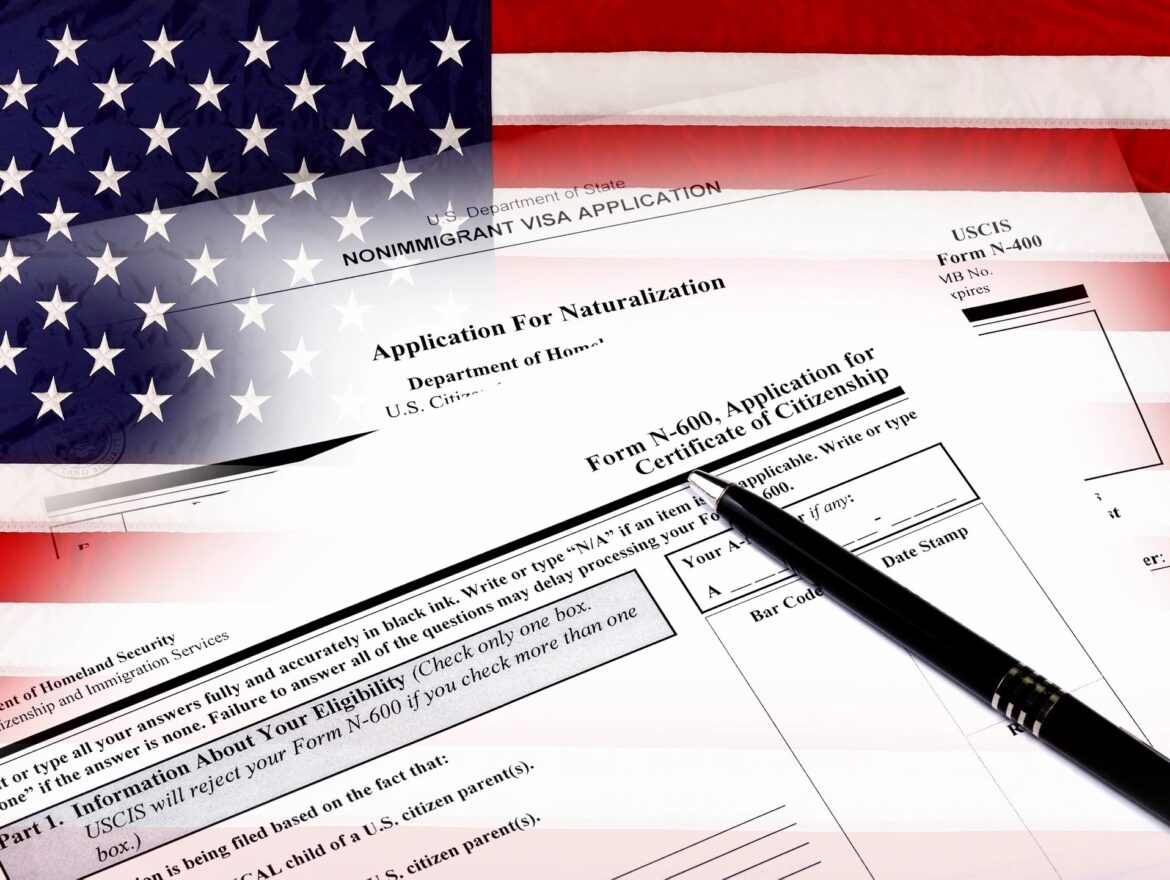
Immigration fraud charges can be life-changing, often threatening not only your freedom but also your immigration status and ability to remain in the United States. In Miami and Broward County, federal authorities aggressively prosecute cases involving visa fraud, false documentation, or misrepresentation to U.S. immigration officials. If you’ve been accused, hiring a skilled criminal defense attorney immediately is essential.

Common Immigration Fraud Allegations

These cases often involve claims of marriage fraud, fraudulent asylum applications, false identity use, or falsified employment records. Federal investigators and immigration enforcement agencies coordinate closely on these cases, which means evidence is often extensive and penalties severe. Convictions can lead to prison time, steep fines, and deportation.

How Beaton Law Firm Defends Immigration Fraud Cases

At Beaton Law Firm, we understand the unique overlap between federal criminal law and immigration law. We analyze how evidence was obtained, challenge the credibility of witnesses, and fight for your rights in both federal and immigration courts. Our goal is to reduce charges, avoid deportation, and protect your ability to remain in the country.

Why the Filing History Matters

Immigration-fraud allegations can involve a visa application, a benefit petition, a supporting document, a claimed marriage, identity information, or statements made during an interview. The defense needs the complete filing history—not only the document investigators question. The date of each filing, who prepared it, what translation was used, and what information was available at the time may affect the analysis.

Criminal and Immigration Advice Must Be Coordinated

A criminal disposition can have immigration consequences that are separate from the criminal sentence. The Department of Justice immigration-crimes resource describes federal enforcement areas, but it is not advice about a particular person. Before accepting a plea or making a statement, obtain coordinated advice from qualified criminal-defense and immigration counsel.

Preserve Documents and Communications

Keep applications, notices, passports, messages, payment records, communications with preparers, and proof of translation or delivery. Do not alter or replace a record after an inquiry begins. Counsel may need to determine whether the issue involves intent, a misunderstanding, a clerical error, or conduct by another person.

Keep the Complete Filing History

An immigration-fraud investigation may involve a visa or benefit application, supporting documents, interview statements, identity material, translations, or communications with a preparer. Preserve the full filing history, including earlier versions, receipt notices, translations, payment records, and proof of delivery. Identify who prepared each document, the information available at the time, and the original source for every translation or attachment. A question about one document should be considered in the context of the complete record.

Coordinate the Legal Issues Carefully

Criminal and immigration consequences can be separate. The Department of Justice immigration-crimes overview provides general context, not advice for an individual. Keep any request, notice, or proposed disposition with its date and deadline before responding. Do not alter or replace documents after an inquiry begins.

Keep the original filing, receipt notice, and later correspondence in one dated file. Record who prepared each document and whether a translation was used.

Miami property damage defense attorney

Defending Against Vandalism & Property Damage Charges


What Are Vandalism & Property Damage Charges?

Vandalism and property damage offenses in Florida cover acts like graffiti, breaking windows, or destroying property. While some cases may be misdemeanors, others—especially those involving high-value property—can become felonies with serious consequences.

Penalties You May Face

Convictions for vandalism or property damage can result in fines, probation, restitution, or even jail time. These charges can also create a permanent criminal record that affects employment and housing opportunities.

How Beaton Law Firm Can Help

Our defense strategies include challenging eyewitness testimony, surveillance footage, or inflated damage valuations. In many cases, we negotiate alternatives such as restitution agreements to keep our clients out of jail.

What Can Affect the Classification

Florida’s criminal-mischief statute addresses damage to property and includes different classifications based on factors such as the amount of damage and the type of property involved. The current Florida Statutes Chapter 806 should be reviewed alongside the exact charging document. A case cannot be evaluated reliably from the accusation alone.

Evidence That May Matter

A defense review may consider ownership, permission to be on the property, the condition of the property before and after the incident, photographs, video, messages, witness accounts, and the method used to calculate the claimed loss. Identity and intent can also be disputed. Preserving original records is important because edited screenshots or missing context can create unnecessary problems.

Restitution and Other Consequences

Restitution, repair costs, probation conditions, and a conviction record can affect a person long after a case ends. Any proposal involving payment, contact with an alleged victim, or an agreement about repairs should be evaluated with counsel before it is accepted. The right next step depends on the charge, evidence, prior record, and available defenses.

What to Discuss at a Consultation

Bring the charging document, photos, videos, repair estimates, messages, and a timeline of the event. Counsel may also need to know whether the property owner gave permission, whether any damage was accidental, and whether witnesses can describe the condition of the property before the incident.

Review the Source Records and Timeline

A careful review should focus on the property involved, ownership, value, photographs, and the complete event timeline. A property or business dispute can involve ownership, access, authorization, value, and the timing of events. Preserve original records so each claimed fact can be compared with its source.

Organize Ownership and Authorization Records

Keep source records about ownership, access, value, authorization, and the event timeline together. Identify who created each item and whether it was contemporaneous or a later summary. For this article, the factual review should connect the property involved, ownership, value, photographs, and the complete event timeline to the original material and its date.

Apply the Review to the Actual Record

For this matter, keep the property involved, ownership, value, photographs, and the complete event timeline connected to the complete source material rather than a shortened excerpt or later summary. Note the date and origin of each item, and retain any response or production confirmation with the underlying file.

Bank Fraud Defense Lawyer Miami

Defending Against Bank Fraud Charges in Miami


Understanding Bank Fraud Charges

Bank fraud occurs when someone is accused of deceiving a financial institution to obtain money, assets, or property. In Miami and Broward, federal agencies investigate these crimes aggressively, and penalties can include prison time, fines, and restitution.

Why These Cases Are So Complex

Bank fraud charges often involve multiple transactions, financial records, and digital evidence. The government typically works with specialized investigators, making it critical to have a skilled attorney who understands financial law and fraud defense strategies.

How Beaton Law Firm Defends You

We analyze every part of the government’s case—from subpoenas to search warrants—and fight to exclude unlawfully obtained evidence. Many clients benefit from early negotiations that reduce charges or penalties before trial.

How a Bank-Fraud Case May Be Built

These cases can involve account records, loan applications, electronic communications, device data, signatures, transaction histories, and testimony from bank employees or customers. The government still must prove the elements of the offense charged and connect the required conduct to the accused person. The Department of Justice’s bank-fraud resource provides background on the federal statute, but it is not a substitute for analyzing the charging document and evidence in a specific case.

Questions for an Early Defense Review

Counsel may examine who had access to the account or system, whether the records are complete, how transactions were authorized, what the accused person understood, and whether the government’s timeline fits the available communications. Intent is often a central issue, but the answer depends on the facts rather than the label attached to the investigation.

Preserving Financial and Digital Records

Keep statements, contracts, invoices, applications, emails, text messages, and relevant device data in their original form. Do not alter records or attempt to explain disputed transactions directly to investigators without legal advice. A structured document review can help identify missing context and time-sensitive deadlines.

Trace the Source of Each Transaction

A careful review should focus on the account records, application materials, authorizations, messages, and alleged misrepresentation. A transfer or account entry can show that funds moved, but may not explain its purpose or what a person knew. Compare contemporaneous source documents with any later interpretation.

Document the Transaction Context

Keep the underlying account records, invoices, contracts, payment instructions, and full communication threads together. A later summary should remain separate from the contemporaneous source record. For this article, the factual review should connect the account records, application materials, authorizations, messages, and alleged misrepresentation to the original material and its date.

Apply the Review to the Actual Record

For this matter, keep the account records, application materials, authorizations, messages, and alleged misrepresentation connected to the complete source material rather than a shortened excerpt or later summary. Note the date and origin of each item, and retain any response or production confirmation with the underlying file.

Miami federal criminal defense lawyer

Facing Federal Charges in Miami or Broward


What Makes Federal Crimes Different?

Federal crimes are prosecuted by U.S. Attorneys and often investigated by agencies such as the FBI, DEA, or IRS. In Miami and Broward, common charges include fraud, drug trafficking, conspiracy, and white-collar offenses.

The Stakes of Federal Prosecution

Federal prosecutors have vast resources, and penalties are often more severe than state charges. Defendants face long prison sentences, steep fines, and mandatory sentencing guidelines that make defense strategies critical.

How Beaton Law Firm Fights Federal Charges

We analyze every detail of your case—agency investigations, wiretaps, surveillance, and warrants—to challenge the government’s evidence. With early intervention, we aim to reduce charges, negotiate favorable terms, or prepare a strong trial defense.

What the First Federal Proceedings May Involve

A federal case can involve an initial appearance, a decision about release, an arraignment, discovery, motions, plea discussions, or trial. The United States Courts overview of criminal cases explains the general process, including the government’s burden of proof and the role of pretrial proceedings. The timeline and conditions depend on the charge and the facts of the individual case.

Evidence Questions That Matter

A defense review may examine how the investigation began, what statements were taken, whether a search or seizure was authorized, how digital evidence was collected, and whether the government can connect the accused person to each required element of the charged offense. Federal cases often involve large records, multiple agencies, or cooperating witnesses, so organizing the evidence early can make the legal issues easier to evaluate.

What to Preserve Before an Attorney Review

Keep charging papers, subpoenas, agency letters, release conditions, financial records, messages, and relevant device data. Do not destroy, edit, or forward potentially sensitive material casually. A lawyer can explain what should be preserved, what communications may be protected, and what deadlines require immediate attention.

Managing the Case While It Is Pending

Federal release conditions can include reporting, travel limits, monitoring, or restrictions on contact. Missing a court date or violating a release condition can create a separate problem, so the accused person should understand every requirement and communicate promptly with counsel about changes in address, employment, or access to records.

Read the Federal Charging Document Carefully

Federal criminal cases commonly proceed through formal stages that can include an initial appearance, detention or release decisions, indictment or information, discovery, motions, plea discussions, trial, and sentencing. The U.S. Courts overview of criminal cases describes the federal process at a general level. The charging document and the court’s orders identify what applies in a particular case.

Organize Evidence and Deadlines

Keep the indictment or complaint, summons, bond papers, court notices, and correspondence in a dated file. Preserve messages, account records, photographs, and available electronic data without modification. A useful review identifies the alleged conduct, date range, people named, and source material connected with each count. It should also distinguish records created at the time from a later summary or interpretation.

When several agencies or people are involved, record which office supplied each notice and retain the complete version of every attachment.

Miami Conspiracy Charges Defense Lawyer

Facing Conspiracy Charges in Miami or Broward County


Conspiracy Charges Carry Serious Penalties

In Miami and Broward County, conspiracy charges often accompany other alleged crimes, such as drug trafficking, fraud, or violent offenses. Prosecutors only need to show an agreement and an “overt act” toward committing a crime — even if the crime itself never occurred. This broad legal standard makes conspiracy cases particularly dangerous.

How Prosecutors Use Conspiracy Allegations

Conspiracy laws are designed to allow the government to prosecute groups of people at once. This means you could be held responsible for the actions of others, even if you played only a small role. In federal cases, conspiracy charges often bring mandatory minimums, making early defense critical.

Why You Need Immediate Legal Help

At Beaton Law Firm, we know how to challenge conspiracy charges by attacking the government’s evidence, showing lack of agreement, or proving that no actual crime was committed. If you need to hire a criminal attorney in Broward or Miami for a conspiracy case, our team is ready to defend your freedom.

What the Government Must Connect

A conspiracy allegation is not evaluated solely by the number of people mentioned in an investigation. Counsel may examine whether the evidence shows an agreement, what the alleged objective was, what each person supposedly knew, and whether the charged statute requires an overt act or other specific proof. The general federal conspiracy statute is only one possible statute; the actual charge controls.

Statements and Group Evidence

Messages, recorded calls, cooperating witnesses, financial records, and the acts of other people may be used to build the government’s theory. That evidence still must be tested for context, reliability, attribution, and admissibility. Do not discuss the case with potential witnesses or co-defendants without legal advice.

Preparing for the Next Court Event

Keep the indictment, summons, release conditions, agency correspondence, and relevant records together. A defense review should identify deadlines, the object offense, possible motions, and whether the alleged conduct actually connects the accused person to the agreement described by prosecutors.

Read the Allegation Count by Count

A careful review should focus on the claimed agreement, participants, communications, and conduct alleged in each count. An alleged association is not the same as proof of an agreement. The charging document and record should be read carefully to identify the conduct and evidence connected with each count.

Keep Each Count and Source Distinct

Organize the charging document, communications, and records by alleged count and date. This avoids treating an association or later summary as a substitute for the actual evidence. For this article, the factual review should connect the claimed agreement, participants, communications, and conduct alleged in each count to the original material and its date.

Apply the Review to the Actual Record

For this matter, keep the claimed agreement, participants, communications, and conduct alleged in each count connected to the complete source material rather than a shortened excerpt or later summary. Note the date and origin of each item, and retain any response or production confirmation with the underlying file.

Immigration fraud defense attorney in Miami and Broward County

Arrested for Immigration Fraud in Miami or Broward? What You Need to Know


Understanding Immigration Fraud Charges

Immigration fraud is one of the most aggressively prosecuted federal crimes in South Florida, given the region’s large immigrant population and international travel hubs. These charges can include false statements on visa applications, marriage fraud, fake documents, or assisting others in unlawful entry. If convicted, penalties may include fines, prison time, and deportation.

Why These Cases Are Different

Unlike many other federal crimes, immigration fraud often involves not only criminal penalties but also immigration consequences. This means you may face removal proceedings, loss of legal status, or a permanent bar to reentry. Having an experienced federal criminal defense attorney who understands both criminal law and immigration implications is essential.

How Beaton Law Firm Defends Immigration Fraud Cases

At Beaton Law Firm, we investigate the government’s claims, challenge the validity of evidence, and work to protect your legal status. Our approach often includes negotiating with federal prosecutors and immigration officials to seek reduced charges or alternative resolutions that protect your future.

Criminal and Immigration Consequences Can Intersect

An allegation involving a visa, application, document, marriage, or statement may create both criminal and immigration concerns. The exact wording of the charge, the person’s status, prior filings, and the alleged intent all matter. A criminal defense plan should be coordinated with qualified immigration counsel when a plea or conviction could affect status or removal proceedings.

Records to Preserve

Keep applications, supporting documents, notices, messages, travel records, identity documents, and communications with preparers or sponsors. Do not alter or replace records after receiving an inquiry. The Department of Justice immigration-crimes resources describe the range of federal offenses, while USCIS provides a separate process for reporting suspected benefit fraud. Neither resource determines the facts of an individual case.

Early Defense Questions

Counsel may examine who prepared each filing, what information was available, whether a translation or clerical issue affected the document, and how investigators obtained the records. Do not provide an interview or accept a proposed resolution without understanding both the criminal and immigration consequences.

Keep the Original Filing History Intact

A careful review should focus on the complete filing history, preparers, translations, supporting documents, and notice dates. A filing, translation, supporting document, receipt notice, or later communication may provide different context. Preserve source copies and do not revise or recreate a document after an inquiry begins.

Preserve the Filing and Translation Record

Keep original filings, receipt notices, translations, supporting materials, and communications with preparers in date order. Retain source copies rather than recreating a document after an inquiry begins. For this article, the factual review should connect the complete filing history, preparers, translations, supporting documents, and notice dates to the original material and its date.

Apply the Review to the Actual Record

For this matter, keep the complete filing history, preparers, translations, supporting documents, and notice dates connected to the complete source material rather than a shortened excerpt or later summary. Note the date and origin of each item, and retain any response or production confirmation with the underlying file.

At Beaton Law Firm, we have the experience, expertise, and dedication to fight for you. With a proven track record of success in some of the nation’s most complex cases, we leave no stone unturned. If you need a criminal defense lawyer in Miami, contact Beaton Law Firm today.

Register For Our Newsletter

Subscribe to our Newsletter right now to be updated. We promice not to spam!

Get In Touch

Call Now