
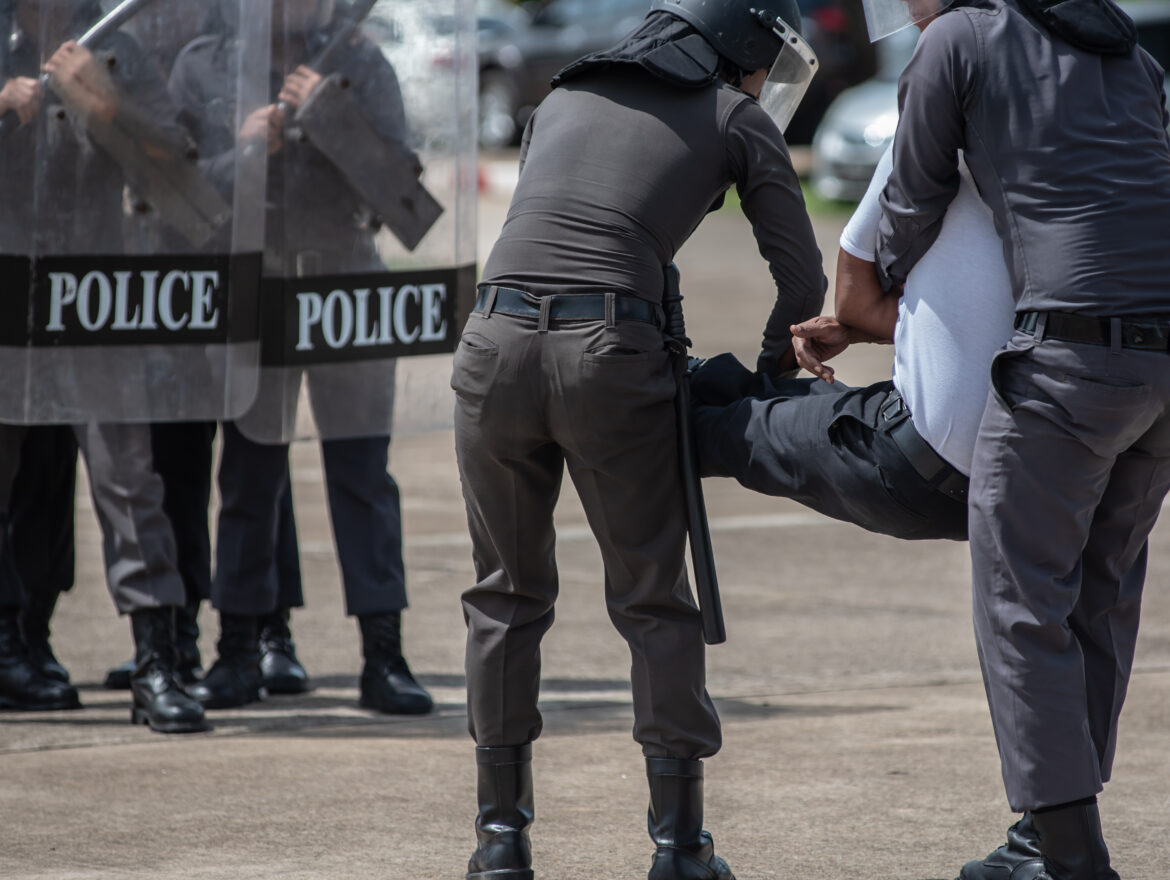
A resisting arrest charge in Miami can happen during a stressful, fast-moving encounter with police. Sometimes the charge is based on physical resistance. Other times, it may involve accusations that someone refused commands, pulled away, ran, delayed an officer, or interfered with an investigation.
Many people are surprised to learn that resisting arrest does not always mean a person violently fought with police. In Florida, resisting an officer can be charged with or without violence, and the difference matters.
If you were arrested for resisting an officer in Miami, it is important to understand what the charge means, what the prosecution must prove, and what defense issues may exist.
What Is Resisting Arrest in Florida?
Florida law includes obstruction-related offenses under Chapter 843. These charges generally involve allegations that a person knowingly and willfully resisted, obstructed, or opposed an officer who was performing a lawful duty.
In everyday language, people often call this “resisting arrest,” but the legal charge may be listed as resisting an officer, obstructing an officer, or opposing an officer.
A resisting charge may be filed by itself or added to another case, such as:
- DUI
- Domestic violence
- Drug possession
- Disorderly conduct
- Battery
- Traffic stops
- Theft allegations
- Probation violations
- Warrants
- Public disturbance cases
This charge is often added when an officer believes a person did not comply quickly enough or interfered with police activity.
Resisting Without Violence
Resisting an officer without violence is generally the less serious version of the charge, but it can still create serious problems.
Examples may include allegations that someone:
- Refused to put their hands behind their back
- Pulled away while being handcuffed
- Ran from an officer
- Refused lawful commands
- Blocked an officer’s path
- Interfered with an investigation
- Gave false or misleading information
- Delayed an officer during a lawful duty
Even without violence, a resisting charge can lead to a criminal record, court dates, probation, fines, and other consequences.
Resisting With Violence
Resisting an officer with violence is more serious. This type of charge may involve allegations that a person used force, threatened violence, struck, pushed, kicked, or physically fought with an officer during the officer’s lawful duties.
Because this charge involves alleged violence, prosecutors may treat it aggressively. It can also affect bond conditions, plea negotiations, sentencing exposure, and the overall strategy of the case.
What Must Prosecutors Prove?
A resisting charge is not automatic just because an officer says someone was difficult or uncooperative. The prosecution must prove the legal elements of the offense.
Important issues may include:
- Was the officer engaged in a lawful duty?
- Did the accused know the person was an officer?
- Did the accused knowingly and willfully resist, obstruct, or oppose the officer?
- Was there actual violence or only alleged noncompliance?
- Was the officer’s command lawful?
- Was the arrest or detention legally justified?
- Did body camera footage support the officer’s report?
These details can make a major difference in the defense.
Why Body Camera Footage Matters
In resisting arrest cases, video evidence can be extremely important. Police reports may describe an encounter one way, while body camera footage, surveillance video, or cellphone video may show more context.
Video may reveal:
- Whether commands were clear
- Whether the accused had time to comply
- Whether officers escalated the situation
- Whether force was used by police first
- Whether the accused actually resisted
- Whether the report leaves out important details
- Whether witnesses saw something different
A defense attorney can request and review available evidence to compare the written report with what actually happened.
Common Defenses to Resisting Arrest
Every case is different, but possible defense issues may include:
- The officer was not performing a lawful duty
- The accused did not knowingly resist
- The accused was confused, scared, or unable to comply
- The officer’s commands were unclear or conflicting
- The accused did not know the person was an officer
- The allegation is exaggerated
- The incident was captured differently on video
- The accused was acting in self-defense
- There was no violence
- The prosecution lacks sufficient evidence
A resisting charge may look simple on paper, but these cases often depend heavily on facts, timing, body language, officer conduct, and video evidence.
Do Not Try to Explain the Case Without a Lawyer
After a resisting arrest charge, many people want to explain that they were scared, confused, or not trying to resist. While that may be true, speaking to police or prosecutors without legal guidance can create problems.
Statements can be misunderstood or used against you. It is usually safer to remain silent and speak with a criminal defense attorney first.
Charged With Resisting Arrest in Miami?
A resisting arrest charge can affect your record, your freedom, and the outcome of any related criminal case. Even if it was added to another charge, it should be taken seriously.
Beaton Law Firm defends clients facing resisting arrest, obstruction, and other criminal charges in Miami and throughout South Florida.
Contact Beaton Law Firm today for a confidential consultation.
Disclaimer
This blog is for general informational purposes only and does not create an attorney-client relationship. Every case is different. Speak with a qualified Florida criminal defense attorney about your specific situation.
Types of Criminal Cases We Handle
Beaton Law Firm handles a wide range of criminal cases, including:
If you’ve been arrested or are under investigation in any of these areas, it’s critical that you seek legal counsel immediately. The sooner your defense attorney is involved, the more options you’ll have for avoiding charges or reducing penalties.
Our Professional Profiles
You can learn more about our background and published work here:
- Find Law
- Avvo
- FACDL
- Voluntary Bar Association Member Profile
- Zoom Info
- Martindale
- Justia
- Beaton Law Firm on Medium
- Super Lawyers Profile
- Yelp
- Mapquest
- Medium
Call Beaton Law Firm Today
If you or a loved one needs an experienced criminal defense lawyer in Miami, Beaton Law Firm is ready to help.
📞 (305) 478-1991
🌐 beatonlawfirm.com